


G20 nations weighed down by weak economic growth and lack of jobs: UN report
The report G20 Labour Markets 2015: Strengthening the Link between Growth and Employment, compiled by the International Labour Organization (ILO), the Organisation for Economic Co-operation and Development (OECD) and the World Bank Group, reveals that growth among G20 economies averaged 3.2 per cent over the last three years compared to 4.1 per cent from 2000 to 2007.
“A weak economic recovery continues to weigh heavily on G20 labour markets, while the persistent lack of decent jobs is in turn hurting the recovery,” said ILO Director-General Guy Ryder, who is set to participate in the G20 labour and employment ministers meeting and their joint meeting with finance ministers.
The joint meeting will aid G20 leaders by integrating policy initiatives that work on both the demand and supply side of labour markets, he added.
The report also notes that the unemployment rate remains cause for concern. It rose from 5.1 to 6.0 percent between 2007 and 2009, and remains high at 5.8 percent in 2014.
This has resulted in an estimated shortfall of 50 million jobs across the G20 (comprised of 19 countries and the European Union) compared to the start of the crisis.
It is not only the quantity of jobs that has fallen, but the quality, notes the report. Many G20 country jobs created between 2009 and 2014 are part-time, offering lower wages, less job security, and weaker social protection coverage.
Some 51 per cent of workers in emerging G20 countries were in “vulnerable employment” in 2014. The report notes that while this is an improvement, it is still an unacceptably high number.
Wage growth, meanwhile, has suffered a significant slowdown, which, combined with the jobs gap, has led to a decline in the labour share of national income and rising inequality in most G20 economies.
“As this report clearly states, we need a comprehensive and multi-sectoral approach to reverse the current self-reinforcing cycle of slow growth, low job creation, weak wage and income growth and low investment,” said Ryder.
He said,“Policies that reverse the worrying trends towards greater inequality can both accelerate economic recovery and make growth more inclusive.”
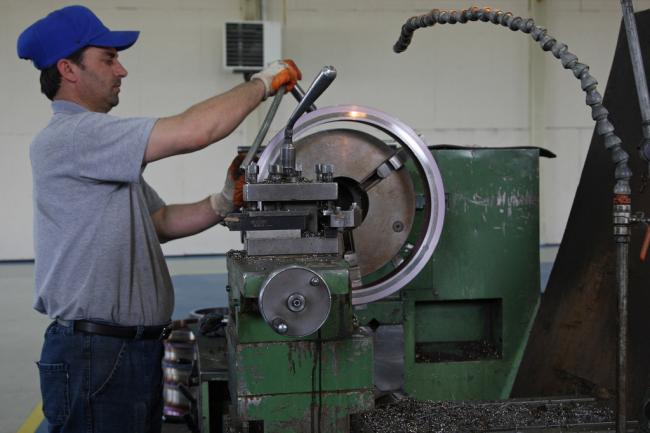
Photo: World Bank/Simone D. McCourtie
Support Our Journalism
We cannot do without you.. your contribution supports unbiased journalism
IBNS is not driven by any ism- not wokeism, not racism, not skewed secularism, not hyper right-wing or left liberal ideals, nor by any hardline religious beliefs or hyper nationalism. We want to serve you good old objective news, as they are. We do not judge or preach. We let people decide for themselves. We only try to present factual and well-sourced news.
Support objective journalism for a small contribution.


