


 Ontario | Solar Project
Canada: Most northern First Nation in Ontario goes green with their first solar project
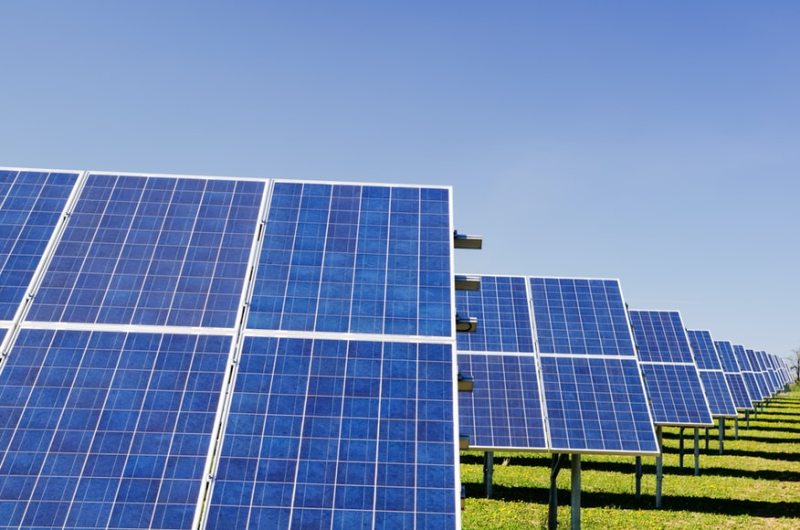
Ottawa/IBNS: Fort Severn, Ontario's most northern First Nation on the shores of Hudson Bay has taken a big step toward energy independence by going green with their first solar project, media reports said.
The community of Fort Severn about 550 people, located 850 kilometers north of Thunder Bay, Ont. is now being powered by its 300-kilowatt solar system facilitating the First Nation to begin its transition off diesel fuel and generate money for the community.
As a First Nation that is directly affected by the rapidly changing northern environment, Fort Severn is doing its part to reduce its greenhouse gas emissions and address climate change, Chief Paul Burke told CBC News over the phone.
"It's not just my community. I am showing the world, if I can do this here, being so remote, we can do this anywhere," he added.
About 130,000 liters of diesel fuel is expected to be displaced on an annual basis which could save up to 400,000 liters of fuel according to Michael Wrinch, the project manager and president of Hedgehog Technologies, CBC News reported.
"It's a success story for a diesel reduction point of view, and a success story for the community, just showing that they can get things done in remote and difficult locations," Wrinch said.
(Reporting by Asha Bajaj)
Support Our Journalism
We cannot do without you.. your contribution supports unbiased journalism
IBNS is not driven by any ism- not wokeism, not racism, not skewed secularism, not hyper right-wing or left liberal ideals, nor by any hardline religious beliefs or hyper nationalism. We want to serve you good old objective news, as they are. We do not judge or preach. We let people decide for themselves. We only try to present factual and well-sourced news.
Support objective journalism for a small contribution.


