Sunny Deol on Batwara 1947: ‘I was so moved that I wanted to live the character’
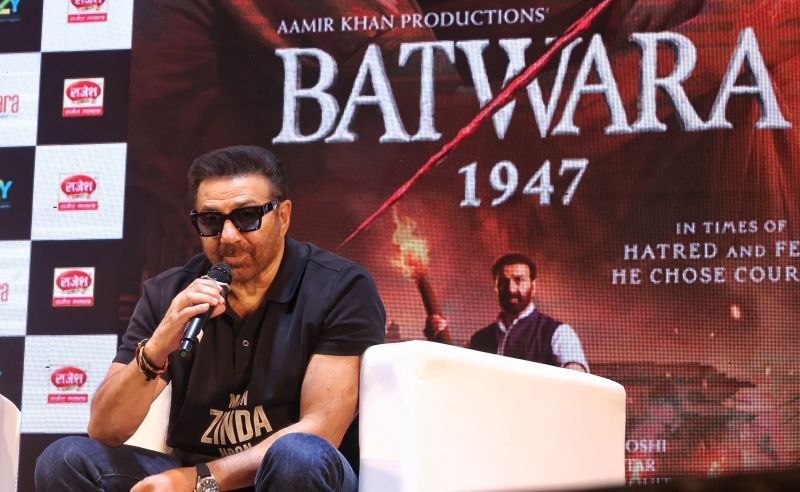
Sunny Deol opens up about Batwara 1947, his experience working with his son Karan Deol and veteran actor Shabana Azmi, and the deeply emotional Partition stories that inspired his character. IBNS-TWF correspondent Aaheli Chakraborty reports...
Q. How was your experience working with your son Karan Deol on-screen?
A. We wanted Karan (Karan Deol), and Raj (Rajkumar Santoshi, director) approached him directly. That's how it started. It was a wonderful experience. On the sets, I would just move away and let Raj do what he had to do. I'm sure Karan was a little nervous but he had to get over it and deliver.
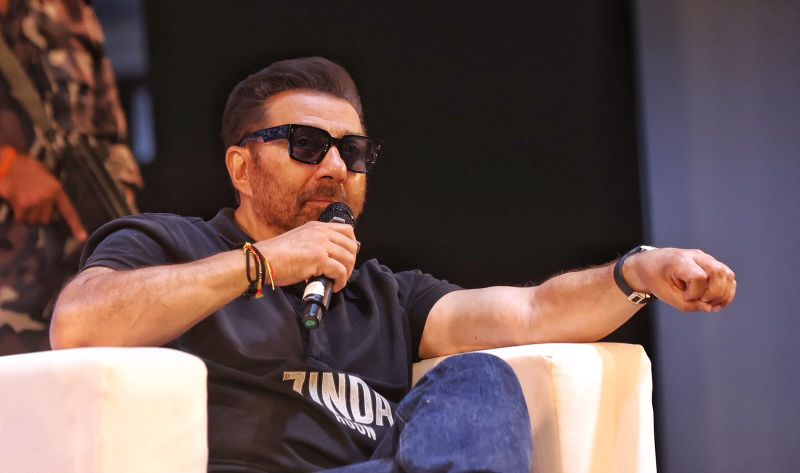
Q. What did you like about the script of Batwara 1947?
A. There are certain things in life that we have to face, and one of the most emotional things is having to leave your home and try to find a new one. The whole thing was very emotional. When I heard the subject, I was so moved that I wanted to do the film and live that character.
Q. Punjab and Bengal both experienced the pain of Partition. How do you see the two parts of the country undergoing similar pain?
A. Irrespective of caste, families were being disrupted, uprooted and killed. There were lakhs of people who died. More than that, people were displaced. They had to go somewhere else and rebuild their homes. They never imagined that such a thing could happen because they were all so excited about freedom. They were going to have a free India, and suddenly, this happened. That’s what Batwara is all about.
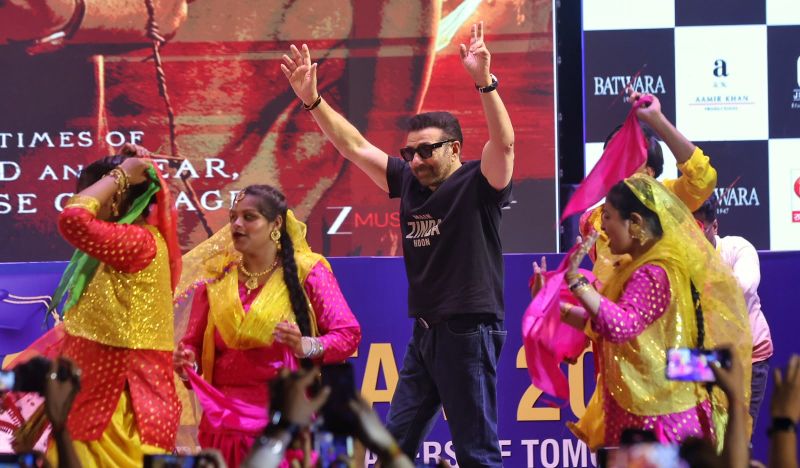
Q. Did you hear any real stories of Partition from your grandparents?
A. Definitely. I used to hear them from my grandparents as I used to live in a village for several years. As a child, I used to sit and listen to all the stories and absorb them. My grandmother had even temporarily sheltered a young girl when there was a lot of violence. The atmosphere was very dangerous at that time.
Q. How was your experience working with Shabana Azmi in the film?
A. This is the first film where I worked with a great actor like Shabana-ji. I couldn't have visualised any other actor to play the role she has portrayed. More than an actor, Shabana-ji is like my mother so our onscreen bonding turned out to be spontaneous.
(Photos: Avishek Mitra/IBNS)
Support Our Journalism
We cannot do without you.. your contribution supports unbiased journalism
IBNS is not driven by any ism- not wokeism, not racism, not skewed secularism, not hyper right-wing or left liberal ideals, nor by any hardline religious beliefs or hyper nationalism. We want to serve you good old objective news, as they are. We do not judge or preach. We let people decide for themselves. We only try to present factual and well-sourced news.
Support objective journalism for a small contribution.