April 18, 2026 07:46 pm (IST)

Follow us:


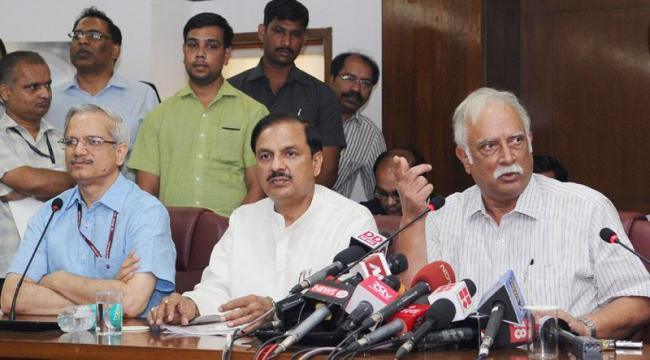
Regional Connectivity Scheme to make flying more affordable in India
New Delhi, Jul 1 (IBNS): The Union Minister for Civil Aviation, Ashok Gajapathi Raju Pusapati and the Minister of State for Culture, Tourism and Civil Aviation, Dr. Mahesh Sharma on Friday discussed about the finer points of the Regional Connectivity Scheme (RCS), which will make flying a more affordable option in India.
One of the key components of RCS is the capping of fares for flights to unserved airports at Rs 2,500 per hour of flying for nearly 500km.
Other salient features include central government concessions to RCS airports -- two per cent excise on Value Added Tax (VAT), service tax at one-tenth the rate and liberal code-sharing -- and state governments, key partners in te RCS, will provide free security and fire service, utilities at concessional rates and reduce VAT on ATF to one per cent.
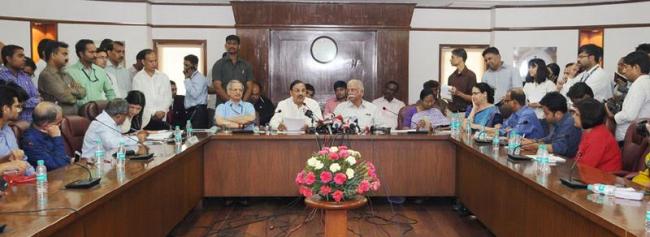 RCS will be applicable on route length between 200km to 800km with no lower limit set for hilly, remote, island and security sensitive areas.
Interested operators can submit initial route proposals. The gap in costs and revenues, if any, will be compensated through Viability Gap Funding (VGF).
The regional connectivity scheme will be in operation for 10 years with individual route contracts of three year duration, media reported.
Image: PIB
Support Our Journalism
We cannot do without you.. your contribution supports unbiased journalism
IBNS is not driven by any ism- not wokeism, not racism, not skewed secularism, not hyper right-wing or left liberal ideals, nor by any hardline religious beliefs or hyper nationalism. We want to serve you good old objective news, as they are. We do not judge or preach. We let people decide for themselves. We only try to present factual and well-sourced news.
Support objective journalism for a small contribution.

Latest Headlines
‘Similar incidents in Axis Bank’: Maharashtra CM's wife Amruta Fadnavis on TCS Nashik case
Sat, Apr 18 2026
PM Modi to address the nation at 8:30 pm tonight after women’s quota bill defeat in Lok Sabha
Sat, Apr 18 2026
'Am I a terrorist?' Supreme Court refuses relief to Pawan Khera, keeps bail stay intact
Fri, Apr 17 2026