Analysis: Calcutta HC's cancellation of Mamata govt OBC list reignites Muslim vote bank debate
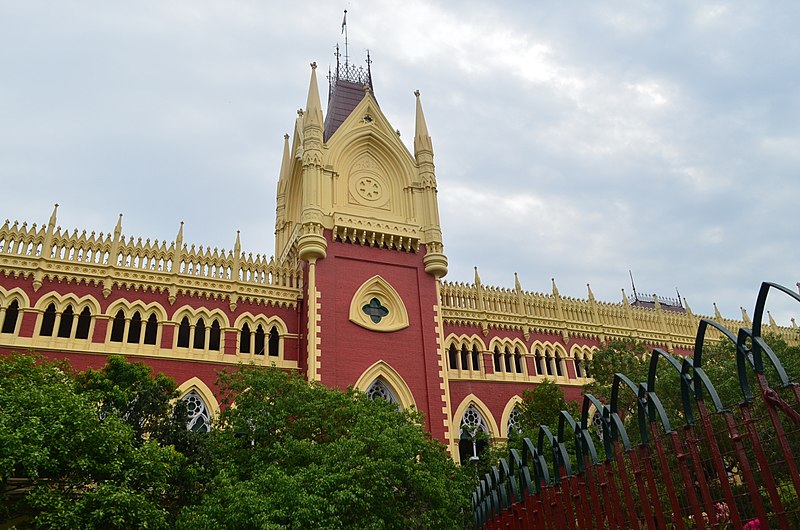
When the Calcutta High Court said on Wednesday that the Muslim community was treated as a "commodity for political ends" by the West Bengal government which classified 77 classes of Muslims as backward between 2010 and 2012, it triggered a debate on appeasement and vote bank politics vis-a-vis social uplift of the real backward people.
The high court set aside the classification of 37 communities as Other Backward Classes (OBCs) under the West Bengal Backward Classes (Other than Scheduled Castes and Scheduled Tribes) (Reservation of Vacancies in Services and Posts) Act, 2012.
After the Calcutta High Court cancelled all Other Backward Classes (OBC) certificates issued in West Bengal after 2010, Chief Minister Mamata Banerjee went ballistic and said she "will not accept" the order, which will "take away the rights granted to the Tapashili community".
The court verdict also focussed on the use of the Muslim community in India for political gains.
Calcutta HC scraps all OBC certificates issued in West Bengal after 2010
According to media reports, the Court found the recommendation made by the West Bengal State Backward Class Commission in this regard to be not in accordance with the Constitutional value of impartial and secular reservation.
The high court statement suggests that the inclusion of Muslims in the OBC category was motivated by political considerations rather than genuine efforts to uplift the community. This implies that political parties may have exploited the issue of Muslim inclusion for electoral gain rather than addressing socio-economic disparities within the community.
The court's assertion that the inclusion of Muslims in the OBC category was for electoral gain implies that political parties may have strategically targeted Muslim voters by offering them OBC status. This suggests a manipulation of affirmative action policies for electoral advantage rather than a sincere effort to address the socio-economic backwardness of the Muslim community.
The court's statement could have legal and policy implications, especially regarding affirmative action policies and their implementation. It may prompt a reevaluation of the criteria for determining backwardness and eligibility for reservation benefits.
The ruling or opinion may have political repercussions, leading to debates on the role of identity politics and electoral strategies that target specific communities. It could also influence political discourse on secularism and minority rights.
The statement may spark discussions on the socio-economic status of Muslims in India and the effectiveness of government policies in addressing their concerns. It may also raise questions about the intersection of religion, caste, and politics in India's social fabric.
The statement from the Calcutta High Court regarding the inclusion of Muslims in the OBC category reflects broader debates around affirmative action, identity politics, and electoral strategies in India. It underscores the complexities of addressing socio-economic disparities and the need for nuanced approaches to policymaking and social justice.
Support Our Journalism
We cannot do without you.. your contribution supports unbiased journalism
IBNS is not driven by any ism- not wokeism, not racism, not skewed secularism, not hyper right-wing or left liberal ideals, nor by any hardline religious beliefs or hyper nationalism. We want to serve you good old objective news, as they are. We do not judge or preach. We let people decide for themselves. We only try to present factual and well-sourced news.
Support objective journalism for a small contribution.