

7 MPs who will lead global outreach delegations to push India’s zero-tolerance message on terrorism
New Delhi: In a first-of-its-kind diplomatic move to counter Pakistan-sponsored terrorism, the Indian government on Saturday announced the formation of seven all-party parliamentary delegations that will represent the country on international platforms with a strong message of zero-tolerance for terrorism.
The initiative, headed by the Ministry of Parliamentary Affairs, is aimed at projecting India’s national consensus and firm stance against terrorism “in all its forms and manifestations”.
“They would carry forth to the world the country's strong message of zero-tolerance against terrorism,” the ministry said in a statement.
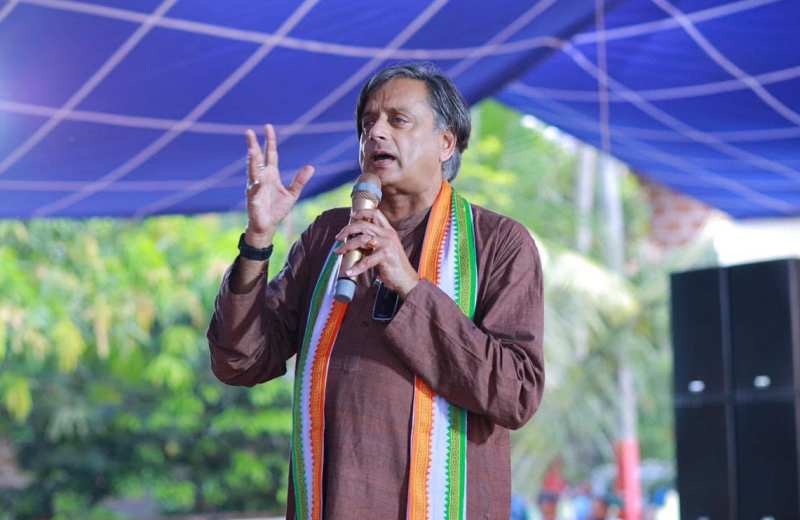
The Centre has named prominent leaders from across party lines to lead each of the seven delegations. These include Shashi Tharoor from Congress, Ravi Shankar Prasad from BJP, Sanjay Kumar Jha from JDU, Baijayant Panda from BJP, Kanimozhi Karunanidhi from DMK, Supriya Sule from NCP and Shrikant Eknath Shinde from Shiv Sena.
One mission. One message. One Bharat 🇮🇳
— Kiren Rijiju (@KirenRijiju) May 17, 2025
Seven All-Party Delegations will soon engage key nations under #OperationSindoor, reflecting our collective resolve against terrorism.
Here’s the list of MPs & delegations representing this united front. https://t.co/1igT7D21mZ pic.twitter.com/3eaZS21PbC
The full list of delegation members is yet to be released.
What we know about the mission
According to ANI, around 40 MPs from different parties will be split into seven groups, each comprising seven to eight members.
The teams will travel to four to five key nations over a 10-day period starting May 23.
The delegations are expected to visit strategic world capitals, including Washington D.C., London, Abu Dhabi, Tokyo, and Pretoria, among others. Their mandate includes raising global awareness about terrorism emanating from Pakistan, particularly in the context of Jammu and Kashmir.
This is the first time India is sending a multi-party delegation of MPs overseas to articulate its position on Kashmir and cross-border terrorism.
Parliamentary Affairs Minister Kiren Rijiju, who is coordinating the effort, said the initiative reflects a rare moment of political unity on a national issue.
“In moments that matter most, Bharat stands united. Seven all-party delegations will soon visit key partner nations, carrying our shared message of zero tolerance for terrorism. A powerful reflection of national unity above politics, beyond differences,” Rijiju said on social media.
The outreach comes in the wake of Operation Sindoor, launched by India on May 7 in response to the April 22 Pahalgam terror attack, which left 26 dead. The military operation involved precision airstrikes targeting nine terror camps across Pakistan and Pakistan-occupied Jammu and Kashmir (PoJK), reportedly killing over 100 terrorists.
In the days that followed, Pakistan responded with cross-border shelling and attempted drone strikes on Indian military bases, prompting retaliatory Indian strikes on key Pakistani installations, including radar stations, airfields, and communication hubs.
Strategic signalling
According to officials, the delegation-level diplomacy is part of a broader strategic messaging campaign. India is determined not to allow its global narrative to be shaped by adversaries, especially as diplomatic tensions with Pakistan escalate.
This campaign also underscores New Delhi’s resolve to expose Pakistan's continued use of terrorism as state policy on influential global platforms—now with a unified parliamentary voice behind it.
Support Our Journalism
We cannot do without you.. your contribution supports unbiased journalism
IBNS is not driven by any ism- not wokeism, not racism, not skewed secularism, not hyper right-wing or left liberal ideals, nor by any hardline religious beliefs or hyper nationalism. We want to serve you good old objective news, as they are. We do not judge or preach. We let people decide for themselves. We only try to present factual and well-sourced news.
Support objective journalism for a small contribution.