


 UNICEF
UNICEF sounds alarm over fast-spreading cholera outbreaks in Africa
New York: The UN Children’s Fund (UNICEF) is calling for emergency funding to broaden efforts to reach millions living across 11 eastern and southern African countries which have been hit hard by fast-spreading cholera outbreaks.
“The cholera outbreak in eastern and southern Africa isn’t just an outbreak; it’s an emergency for children,” the agency said.
Calling for $171 million in funds to support 28 million people suffering in the region, UNICEF said tailored responses are already reaching many impacted, but more must urgently be done.
Tailored life-saving responses
The agency said the worst cholera outbreaks to hit the region in years, are now unfolding in Burundi, Ethiopia, Kenya, Malawi, Mozambique, Somalia, South Africa, South Sudan, United Republic of Tanzania, Zambia, and Zimbabwe.
As such, UNICEF is developing individualized cholera response plans based on the unique conditions within each affected country. For instance, budgets for both Malawi and Mozambique include requirements to address each country’s recent flooding following the devasting effects of cyclone Freddy which has fuelled the spread of the acute often water-borne disease.
Driving factors
Cholera outbreaks are exacerbated by poverty, disasters, conflict, and climate change consequences, like extreme storms and flooding, as well as a lack of access to safe water and sanitation, the World Health Organization (WHO) said.
Grim scenarios in many other countries have further deteriorated since WHO published its first disease update on the global cholera situation in December.
The world has been grappling since mid-2021with an acute upsurge in what is the seventh deadly cholera pandemic in recorded history, WHO said.
The pandemic is characterized by the number, size and concurrence of multiple outbreaks, the spread to areas which have been free of cholera for decades, and alarmingly high mortality rates.
The UN health agency estimated in February that one billion people in at least 43 countries are at risk.
New assistance fast-tracked
For children, the risk is high, UNICEF said, adding that the needs in affected communities in eastern and southern Africa are growing.
UNICEF is currently frontloading its internal core resources to respond to the emergency “on a no-regrets basis”, the agency said. This includes new loan and grant financing and repurposed key resources to fast-track procurement needs and enhanced community outreach.
UNICEF is focused on mobilizing essential life-saving support, that includes emergency health supplies, medical products, technical support for outbreak control, risk communication and community engagement for prevention and early treatment, and safe water and nutrition supplies.
Flexible funding urgently needed
“We’re also working on social protection and supporting livelihoods, as well as keeping children safe and learning,” the agency said. “Flexible funding will help us not just protect more children and communities in need today but go towards building more resilient systems to protect children in the future.”
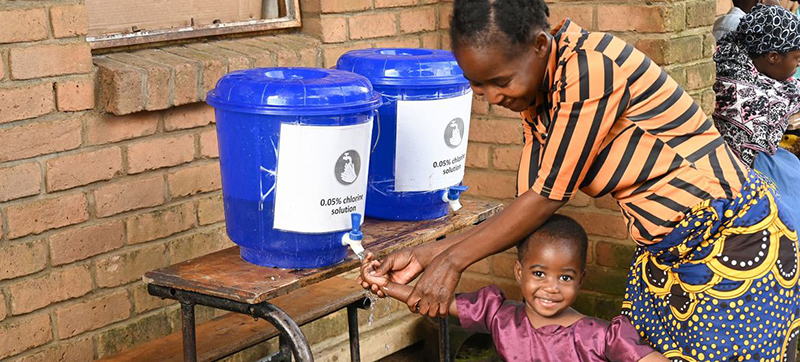
With existing funding, UNICEF has been able to scale-up the supply of chlorine for water purification, medicine for infection prevention and control, and risk communication messages that emphasize the importance of early care and treatment for anyone infected.
While generous partners have already contributed $18.3 million to support the cholera response, a regional funding gap needs to be swiftly bridged to broaden an effective response.
“For UNICEF and its partners to respond quickly and equitably based on need, especially in underfunded sectors, flexible resources will play a critical role,” the agency said. “Help us eradicate cholera and remove this burden from children and families who are already carrying too much,” UNICEF said.
Support Our Journalism
We cannot do without you.. your contribution supports unbiased journalism
IBNS is not driven by any ism- not wokeism, not racism, not skewed secularism, not hyper right-wing or left liberal ideals, nor by any hardline religious beliefs or hyper nationalism. We want to serve you good old objective news, as they are. We do not judge or preach. We let people decide for themselves. We only try to present factual and well-sourced news.
Support objective journalism for a small contribution.


