


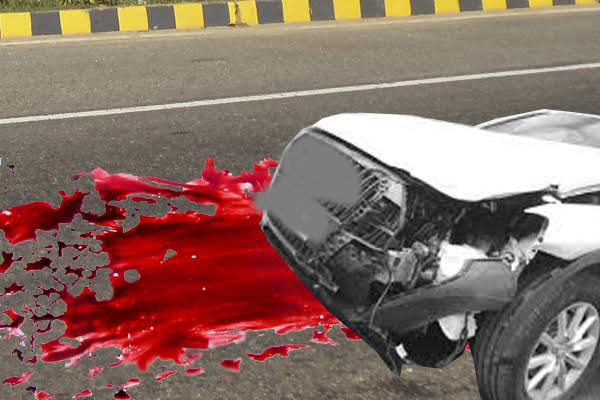
Take action on road safety; prevent road injury, death across South-East Asia Region: WHO
“Road traffic injuries constitute a major public health burden, with significant health and socioeconomic costs. Though the behavior of road users matters, good public policy has the potential to dramatically reduce the burden. To this end, the health sector has a critical role to play,” Dr Poonam Khetrapal Singh, Regional Director, WHO South-East Asia, said.
Road traffic injuries kill approximately 316 000 people each year in the WHO South-East Asia Region, equaling 865 fatalities each day. Twenty to 50 times that number are injured or disabled and require long-term care. Vulnerable road users, pedestrians, cyclists and motorcyclists make up 50% of all road traffic deaths in the Region.
“Strengthening post-crash response is vital to tackling road-related morbidity and mortality. All countries should have a nationwide emergency phone service, while pre-hospital response and hospital trauma care systems should be fit for purpose. In addition, steps should be taken to enhance early rehabilitation and support for road crash victims. This will help avoid long-term complications and enhance quality of life. It will also reduce health care usage over the life-course,” she said.
As per the Decade of Action for Road Safety 2011-2020, as well as the Sustainable Development Goals, all countries in the Region are now striving to halve the number of deaths and injuries from road traffic accidents by 2020.
To achieve this target, Khetrapal Singh emphasized the importance of gathering more and better data on road safety incidents. “Good data allows authorities to analyze and understand the factors causing road crashes, as well as to devise and implement cost-effective solutions,” she said. ”Clear lines of responsibility and partnership among government agencies and stakeholders can help this process, especially given the problem’s multi-sectoral nature.”
The Regional Director also outlined how countries can build better road infrastructure – including bicycle lanes and pedestrian crossings – to protect vulnerable road users, while stressing the need for legislators to ensure laws related to vehicle manufacturing are harmonized with global standards.
“Safer vehicles save lives. Each one of the seven priority international vehicle safety standards should be included in all new cars sold in the Region, from seat belts to electronic stability control. Just two of the Region’s countries currently apply any of these standards. No country applies all. All countries can – and must – take action,” Khetrapal Singh said.
The Regional Director reiterated WHO’s commitment to assist Member countries in capacity-building and providing guidance and technical support to improve emergency medical services for people injured and disabled in road traffic crashes.
Road safety is a key agenda item at the Seventieth session of the Regional Committee currently being held in Maldives. The Regional Committee is the highest decision-making body for public health in the South-East Asia Region, and includes health ministers and senior health ministry officials of the Region’s Member countries – Bangladesh, Bhutan, Democratic People’s Republic of Korea, India, Indonesia, Maldives, Myanmar, Nepal, Sri Lanka, Thailand and Timor-Leste.
Support Our Journalism
We cannot do without you.. your contribution supports unbiased journalism
IBNS is not driven by any ism- not wokeism, not racism, not skewed secularism, not hyper right-wing or left liberal ideals, nor by any hardline religious beliefs or hyper nationalism. We want to serve you good old objective news, as they are. We do not judge or preach. We let people decide for themselves. We only try to present factual and well-sourced news.
Support objective journalism for a small contribution.


