


New UN study calls for major surge in AIDS treatment to avoid 'catastrophic' resurgence of HIV
According to the findings of the study released on Thursdayby the Joint UN Programme on HIV/AIDS (UNAIDS) and famed medical journal, The Lancet, sustaining current HIV treatment and prevention efforts in the most affected African countries over the next 15 years would require at least a third of total government health expenditures, emphasizing the growing need for continued international support for these countries.
“We have to act now. The next five years provide a fragile window of opportunity to fast-track the response and end the AIDS epidemic by 2030,” said Michel Sidibé, Executive Director of UNAIDS, in a press release. “If we don’t, the human and financial consequences will be catastrophic.”
The report does acknowledge that unprecedented progress has been made over the years towards increasing access to HIV treatment globally. The UN, in fact, has steadily been rolling out a so-called fast-track approach highlighting the need to focus on the counties, cities and communities most affected by HIV, and recommends that resources be concentrated on the areas with the greatest impact in order to end the AIDS epidemic by 2030.
In particular, the approach calls for efforts in the 30 countries that together account for 89 per cent of new HIV infections worldwide. To fast-track national responses in these 30 priority countries, UNAIDS maintains, will require extensive mobilization of human, institutional and strategic international partners, as well as significant commitments from both national and international sources.
Despite some advances in the battles against the disease, however, the joint UNAIDS-Lancet report warns that the rate of new HIV infections is not falling fast enough. This, combined with high demographic growth in some of the most affected countries, is increasing the number of people living with HIV who will need antiretroviral therapy to stay alive.
As a result, the study calls for an urgent need to scale up AIDS efforts, calls on governments to ramp up HIV prevention efforts, and continue expanding access to treatment.
“We must face hard truths – if the current rate of new HIV infections continues, merely sustaining the major efforts we already have in place will not be enough to stop deaths from AIDS increasing within five years in many countries,” Professor Peter Piot, Director of the London School of Hygiene & Tropical Medicine and lead author of the report confirmed.
“Expanding sustainable access to treatment is essential, but we will not treat ourselves out of the AIDS epidemic. We must also reinvigorate HIV prevention efforts, particularly among populations at highest risk, while removing legal and societal discrimination,” he concluded.
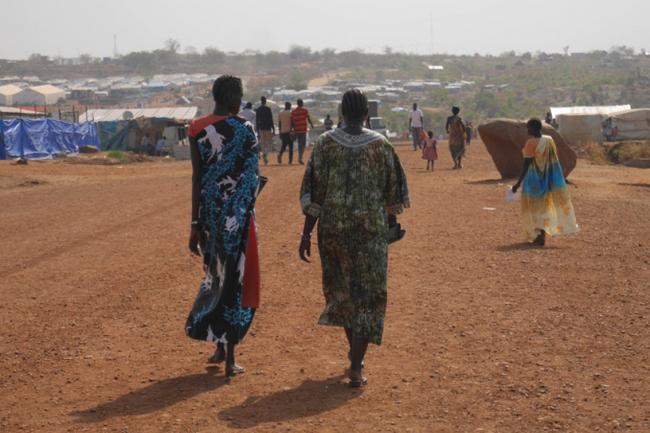
Photo: UNAIDS
Support Our Journalism
We cannot do without you.. your contribution supports unbiased journalism
IBNS is not driven by any ism- not wokeism, not racism, not skewed secularism, not hyper right-wing or left liberal ideals, nor by any hardline religious beliefs or hyper nationalism. We want to serve you good old objective news, as they are. We do not judge or preach. We let people decide for themselves. We only try to present factual and well-sourced news.
Support objective journalism for a small contribution.


