


 Mental Health
New study shows 1 in 7 children and teens impacted by mental health conditions
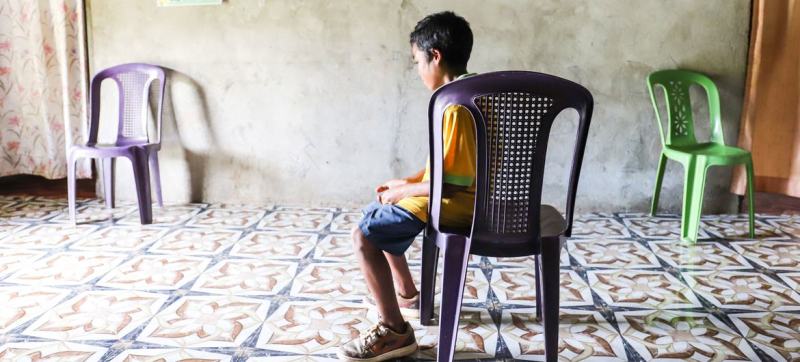
Around one in seven children and adolescents aged 10 to 19 are affected by mental health conditions – with anxiety, depression and behavioural disorders among the most common, according to a new World Health Organization and UN Children’s Fund report released on Wednesday.
In addition, one-third of mental health conditions emerge before the age of 14 and half before the age of 18.
Published ahead of World Mental Health Day, celebrated annually on 10 October, the report seeks to support the transformation of mental health services for children and adolescents.
It underscores the importance of early action as an essential ingredient to enable children and young people realise their full potential.
Inaccessibility of mental health services
Despite the need for action, access to services remains largely inaccessible.
Most young people experiencing concerning mental health symptoms cannot access care due to systemic barriers such as low service availability, unaffordable costs and stigma preventing them from seeking help.
Further, while public funding and human resources for services is low worldwide in general, those aimed at children and adolescents are particularly unavailable, especially in low and middle-income countries.
“We must take action to ensure that evidence-based and age-appropriate interventions are available and affordable for all,” said Dévora Kestel, Director of Mental Health, Brain Health and Substance Use at the World Health Organization (WHO).
“Every country, regardless of its circumstances, can do something to significantly improve the mental health of its children, young people and their families,” she added.
Community-based model
The report stipulates that supporting the mental health of children and teens must be a collective effort. While there is no single best model, it provides examples from around the world that show what can be achieved in different settings.
“Mental health and well-being of children, adolescents and their families cannot be addressed in isolation. We must integrate health, education, social protection and community support systems to build a comprehensive network of mental health services for young people,” said Fouzia Shafique, Associate Director of Health at UNICEF.
The report also draws attention to the millions of children with mental health conditions worldwide who are institutionalized, despite having existing families, arguing that this practice violates their human rights and leads to poor health and social outcomes.
Phase out institutional care
It calls for the phasing out of institutional care in favour of community-based services that allow children to grow in their families and communities, ensuring continuity in their education, social relationships and overall development.
“It is our collective responsibility to prioritize their mental health as part of overall child and adolescent well-being,” said Shafique.
Support Our Journalism
We cannot do without you.. your contribution supports unbiased journalism
IBNS is not driven by any ism- not wokeism, not racism, not skewed secularism, not hyper right-wing or left liberal ideals, nor by any hardline religious beliefs or hyper nationalism. We want to serve you good old objective news, as they are. We do not judge or preach. We let people decide for themselves. We only try to present factual and well-sourced news.
Support objective journalism for a small contribution.


