


NASA unveils Moon base plan, targets nuclear-powered mission to Mars by 2028
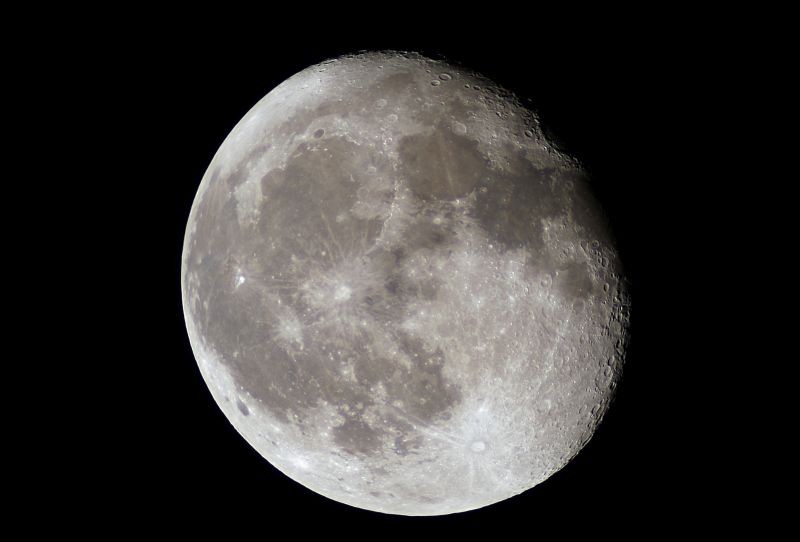
NASA has announced an ambitious new space initiative to establish a permanent human presence on the Moon and to send a nuclear-powered spacecraft to Mars by 2028, media reports said.
The programme, called “Ignition,” is designed to reinforce long-term space exploration goals while strengthening American leadership in space.
NASA Administrator Jared Isaacman said the mission reflects a renewed urgency in global space competition.
Three-phase Moon base plan
NASA’s proposed lunar base will be developed in phases, beginning with a surge in robotic missions.
The agency plans to send up to 30 robotic landers to the Moon by 2027 to test technologies and conduct scientific research.
The base will rely on nuclear reactors for power, ensuring a stable energy supply even during the long lunar nights.
NASA is also reassessing the role of its Gateway space station, with plans to repurpose some of its components for the lunar surface instead.
Astronaut landings are targeted by 2028, with at least one mission per year envisioned to sustain a continuous human presence.
Nuclear-powered mission to Mars
In parallel, NASA is working on a nuclear-powered spacecraft named Space Reactor-1 Freedom, which is expected to launch toward Mars before the end of 2028.
The spacecraft will use advanced nuclear electric propulsion, a technology that allows efficient long-distance travel in deep space.
This system is particularly crucial for missions beyond regions where solar power becomes less effective.
Once at Mars, the mission will deploy helicopter drones similar to Ingenuity to explore the planet’s surface and gather critical data.
Pushing the next frontier
The dual-track strategy—building a permanent lunar base while advancing Mars exploration—signals NASA’s push toward sustained human activity beyond Earth.
If successful, the “Ignition” initiative could mark a major leap in space exploration, laying the groundwork for future interplanetary missions and potentially redefining humanity’s presence in the solar system.
Support Our Journalism
We cannot do without you.. your contribution supports unbiased journalism
IBNS is not driven by any ism- not wokeism, not racism, not skewed secularism, not hyper right-wing or left liberal ideals, nor by any hardline religious beliefs or hyper nationalism. We want to serve you good old objective news, as they are. We do not judge or preach. We let people decide for themselves. We only try to present factual and well-sourced news.
Support objective journalism for a small contribution.


