


 mpox
mpox
Mpox cases spikes to unprecedented levels in Africa, WHO issues alert
The UN World Health Organization (WHO) on Thursday raised the response to the mpox outbreak in over a dozen African countries to the highest level, mobilizing efforts across the agency.
The continent is witnessing an “unprecedented” spike in mpox cases since January, with 15 countries reporting outbreaks. As of Thursday, 2030 cases and 13 deaths were confirmed this year, compared with 1,145 cases and seven deaths in the whole of 2023.
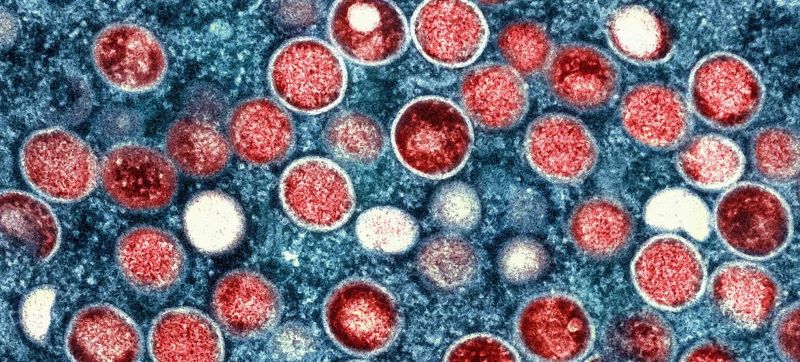
Mpox is a viral illness caused by the monkeypox virus (commonly abbreviated as MPXV), a species of the genus Orthopoxvirus.
Common symptoms include a skin rash or mucosal lesions that can last for two to four weeks accompanied by fever, headache, muscle aches, back pain, low energy and swollen lymph nodes.
It can be transmitted to humans through physical contact with someone who is infectious, with contaminated materials, or with infected animals.
Treatment is supportive and aimed at alleviating the symptoms. Various therapeutics that may be effective against mpox are being developed and tested.
Interrupting transmission the priority
According to WHO, the Democratic Republic of the Congo accounts the highest number (90 per cent) of the reported cases, including a new variant that emerged last September. Cases from that variant have also been reported in neighbouring Rwanda and Uganda, as well as Kenya, while analysis of cases is ongoing in Burundi.
Matshidiso Moeti, the agency’s Regional Director for Africa, highlighted that the “priority is to rapidly interrupt the transmission of the virus”.
“We are collaborating with partners in support of countries to reinforce outbreak control measures and ensure that communities are central to ongoing efforts to effectively end these outbreaks,” Dr. Moeti said.
Actions on the ground
WHO is working through country teams and experts deployed on the ground to support national authorities to strengthen key response areas, including disease surveillance, diagnosis testing and clinical care, infection prevention and control.
It is also working with the health authorities to access therapeutics, decentralize laboratory services for enhanced diagnostic capacities, and ramp up efforts to raise awareness about the risk of the disease among communities.
Field investigation and active case finding are also being reinforced in the affected and at-risk countries, and the UN health agency is coordinating closely to enhance contact tracing and mobilizing financial support to help countries respond.
Assessing international risk
Furthermore, WHO chief Tedros Adhanom Ghebreyesus on Wednesday called for an emergency committee of experts meeting to determine whether the outbreak in Africa constitutes a Public Health Emergency of International Concern.
“The committee will meet as soon as possible and will be made up of independent experts from a range of relevant disciplines from around the world,” he said, speaking in Geneva.
Support Our Journalism
We cannot do without you.. your contribution supports unbiased journalism
IBNS is not driven by any ism- not wokeism, not racism, not skewed secularism, not hyper right-wing or left liberal ideals, nor by any hardline religious beliefs or hyper nationalism. We want to serve you good old objective news, as they are. We do not judge or preach. We let people decide for themselves. We only try to present factual and well-sourced news.
Support objective journalism for a small contribution.


