


Impact of El Nino could be worst in 18 years in southern Africa, warns UN 'special alert'
According to a special alert released by FAO’s Global Information and Early Warning System (GIEWS), the agency had already warned in March that the current El Niño would be strong, and it now appears to be the strongest episode in 18 years. It will peak at the start of 2016, before the usual harvest time for farmers in southern Africa.
El Niño is a naturally occurring phenomenon characterized by the abnormal warming of sea surface temperature in the central and eastern equatorial Pacific Ocean, according to FAO. It occurs every two to seven years and can last up to 18 months. During these weather episodes, normal patterns of tropical precipitation and atmospheric circulation are disrupted, triggering extreme climate events around the globe.
South Africa has already declared drought status for five provinces, its main cereal producing regions, while Lesotho has issued a drought mitigation plan and Swaziland has implemented water restrictions as reservoir levels have become low. Wholesale maize prices are up 50 per cent from a year earlier in South Africa, while retail maize prices have doubled in Malawi and Mozambique.
“It’s the sixth week of the cropping season now and there’s not enough moisture in the soil,” said Shukri Ahmed, FAO Deputy Strategic Programme Leader – Resilience, of the situation in southern Africa.
The likelihood of another poor season is troublesome as it comes on the heels of a poor one that has already depleted inventories, tightened supplies and pushed up local prices, FAO said.
The El Niño’s effect is also being felt elsewhere in Africa, with FAO field officers in Ethiopia reporting serious crop and livestock losses among farmers and pastoralists.
And beyond southern Africa, GIEWS analysis of El Niño-related conditions also points to agricultural stress in northern Australia, parts of Indonesia and a wide swathe of Central America and Brazil, according to the alert.
FAO as also issued a warning that there is an increased risk of Rift Valley fever especially in East Africa. Outbreaks of RVF, which primarily affects sheep, goats, cattle, camels, buffaloes and antelopes, but can also be lethal to humans, are closely associated with periods of El Niño-linked heavy rainfall, which bolster habitats for the mosquitoes that carry the disease.
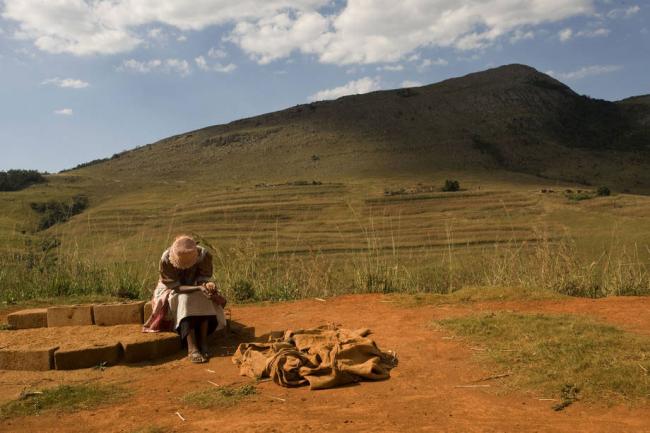
Photo: FAO/Rodger Bosch
Support Our Journalism
We cannot do without you.. your contribution supports unbiased journalism
IBNS is not driven by any ism- not wokeism, not racism, not skewed secularism, not hyper right-wing or left liberal ideals, nor by any hardline religious beliefs or hyper nationalism. We want to serve you good old objective news, as they are. We do not judge or preach. We let people decide for themselves. We only try to present factual and well-sourced news.
Support objective journalism for a small contribution.


