


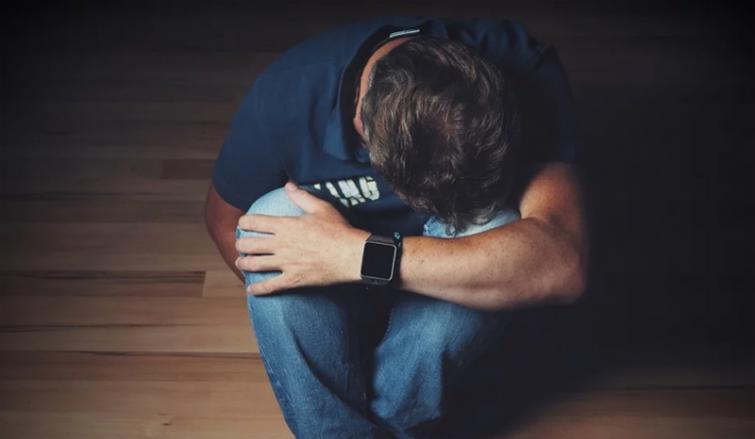
Expert highlights mental agony during Coronavirus lockdown
Kolkata/UNI: Pandemics are not just a medical phenomenon, they affect individuals and society on many levels, causing disruptions.
Stigma and xenophobia are two aspects of the societal impact of pandemic infectious outbreaks. Panic and stress have also been linked to outbreaks. As concerns over the growing covid outbreak continues, cases of anxiety-related behaviors, sleep disturbances and overall lower perceived state of health are on the rise.
'The fear of the unknown is most terrifying. It turns more acute when one is not sure what lies ahead and is not in a position to comprehend how many ways one should try to perceive an outcome. The same situation has arisen in the wake of imposition of lockdown to counter the spread of the covid disease,' National Mental Health Programme Advisor Dr Naresh Purohit told UNI here.
Speaking over phone, the renowned disaster mental health expert expressed concern that rampant covid outbreak has already made the people sceptic and nervous and the situation has been further confounded due to uncertainties surrounding the future impact and character of the disease.
Dr Purohit stated that there is a difference between isolation and loneliness.
'Isolation is the physical separation from other people, while loneliness is an emotional state of feeling alone or separated. No doubt isolation hurts the people but loneliness affects the mental health. Loneliness is strongly associated with high blood pressure, sleep disturbances, immune stress responses, and declining reasoning. From a mental health perspective, we see much more depression and anxiety among the lonely,' Dr Purohit explained.
'Loneliness is not just a feeling—it’s a biological warning signal to seek out other humans,' he said.
During the coronavirus pandemic, the loneliness signal may increase for many, with limited ways of alleviating it. Dr Purohit said, 'The lockdown has had a massive impact on the lifestyle of people. They are staying indoors with limited resources. They are now suffering from anxiety, panic attacks and even alcohol withdrawal syndrome.
'People in quarantine grapple first with stigma, then anxiety about getting infected; then of course with the stress of loneliness,' he said.
'What is important is to understand the difference between physical distancing and social distancing,' he added.
'Distancing should not be interpreted as social or emotional disengagement. Fostering a sense of social togetherness — whether on the phone, or through acts of altruism by helping people in the neighbourhood — is essential at this time,' he said stressing the importance of maintaining such distance.
To deal with the fears surrounding the COVID-19 pandemic and the negative effects of social isolation, the disaster mental health expert suggested keeping in touch with one’s family and friends to help ease the stress.
'Sticking to one’s routine while at home and finding time to invest in hobbies and family are important. At the same time avoiding information overload from social media, avoiding speculation about the pandemic, keeping busy with activities, playing games, engaging with books, music, dance and movies — all these help,' Dr Purohit pointed out.
Support Our Journalism
We cannot do without you.. your contribution supports unbiased journalism
IBNS is not driven by any ism- not wokeism, not racism, not skewed secularism, not hyper right-wing or left liberal ideals, nor by any hardline religious beliefs or hyper nationalism. We want to serve you good old objective news, as they are. We do not judge or preach. We let people decide for themselves. We only try to present factual and well-sourced news.
Support objective journalism for a small contribution.


