


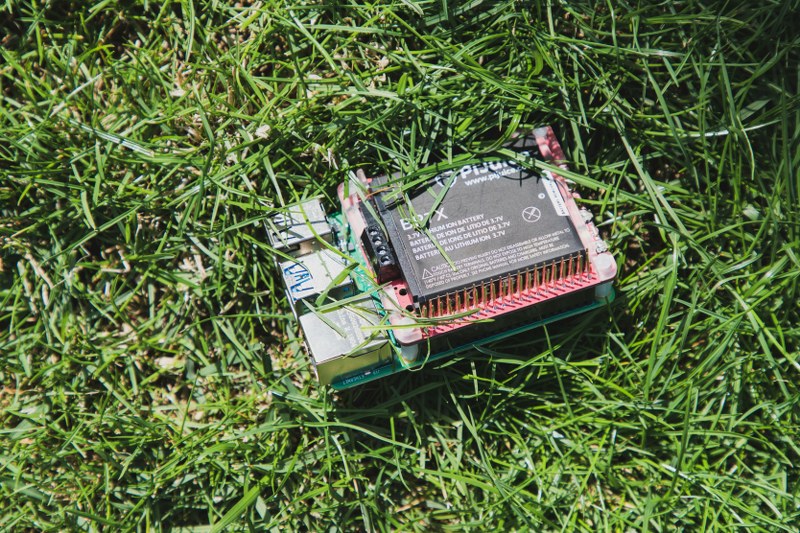
 Ewaste
E-waste mountain growing five times faster than recycling rate: Report
The amount of electronic waste – or e-waste – that we produce is at least 62 million tonnes, and it’s rising five times faster than the amount being recycled.
That’s the worrying finding of the UN Global E-waste Monitor report, published on Thursday.
The report looked into the sheer volume of old phones, batteries and other tech that’s thrown away and found that all this e-waste would fill over one and a half million 40-tonne trucks – that’s about enough to form a bumper-to-bumper line of lorries around the Equator.
Only 25 per cent of e-waste is recycled
Data crunched by the UN agencies behind the report – ITU and UNITAR – also found that only around 25 per cent of e-waste in 2022 was officially recorded to have been recycled.
This means $62 billion worth of recoverable natural resources are unaccounted for, increasing pollution risks to communities worldwide.
Worldwide, e-waste is rising by 2.6 million tonnes annually, meaning that we’re on track to reach 82 million tonnes by 2030.
E-waste – any discarded product with a plug or battery – is a health and environmental hazard, containing toxic additives or hazardous substances such as mercury, which can damage the human brain and nervous system.
Support Our Journalism
We cannot do without you.. your contribution supports unbiased journalism
IBNS is not driven by any ism- not wokeism, not racism, not skewed secularism, not hyper right-wing or left liberal ideals, nor by any hardline religious beliefs or hyper nationalism. We want to serve you good old objective news, as they are. We do not judge or preach. We let people decide for themselves. We only try to present factual and well-sourced news.
Support objective journalism for a small contribution.


