


Countries in WHO South-East Asia to intensify efforts to control dengue, eliminate malaria
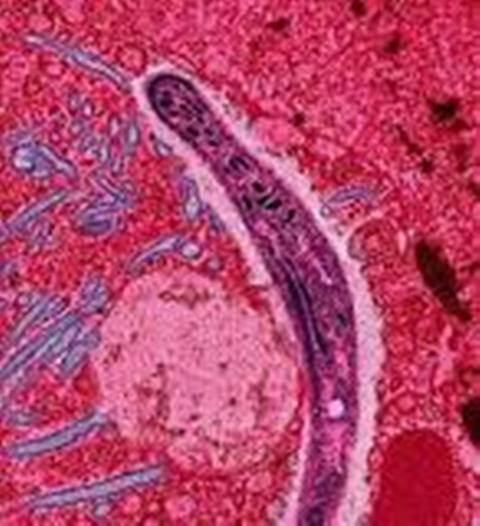
New Delhi, Sept 7 (IBNS) Countries in WHO South-East Asia resolved to accelerate efforts to control dengue which threatens nearly 1.3 billion people with frequent and largescale outbreaks, and control malaria, that continues to be endemic in the Region.
“We need to intensify multi-sectoral approach at the national as well as the grassroots level to reach the most vulnerable and marginalized communities, strengthen surveillance, operationalize cross-border collaboration and most importantly promote vector control,” Dr Poonam Khetrapal Singh, Regional Director WHO South-East Asia, said at the Seventy-first Regional Committee session, which concluded here on Friday.
The 11-Member countries of the Region which accounts for one-fourth of the global population, 58% of the global burden of Plasmodium vivax malaria, and is at increasing risk of dengue and other vector borne diseases in view of the increasing urbanization and climate change, adopted a resolution to prioritize dengue control and malaria elimination.
Reviewing the progress, challenges, capacities and opportunities for strengthening health workforce, the countries agreed to continue to focus on frontline workers, improve rural retention and transformative education, and increase coordination between health and other ministries.
To further advance health of newborns, children and mothers, the countries agreed to enhance budgets and address social inequities. They emphasized that integrated approach with reproductive newborn, maternal, child and adolescent health programmes activities are at the heart of universal health coverage and for ensuring quality of care while “leaving no one behind”.
Monitoring progress against universal health coverage (UHC) and the health-related Sustainable Development Goals, the Member countries agreed to continue to develop and implement policies to advance equity and efficiency.
The Regional Committee session adopted the ‘Delhi Declaration’ with Member countries committing to make essential medical products accessible and affordable to all, both within the Region and beyond.
The session adopted another resolution which seeks to strengthen emergency medical teams (EMTs) to enhance preparedness in WHO South-East Asia, prone to natural disasters.
The Member countries welcomed expansion of the mandate of South-East Asia Regional Health Emergency Fund (SEARHEF), from response to preparedness, to be better equipped to handle disasters. The SEARHEF has supported 37 emergencies in nine countries of the Region since its inception a decade ago, meeting immediate needs of affected communities, and save lives.
Support Our Journalism
We cannot do without you.. your contribution supports unbiased journalism
IBNS is not driven by any ism- not wokeism, not racism, not skewed secularism, not hyper right-wing or left liberal ideals, nor by any hardline religious beliefs or hyper nationalism. We want to serve you good old objective news, as they are. We do not judge or preach. We let people decide for themselves. We only try to present factual and well-sourced news.
Support objective journalism for a small contribution.


