


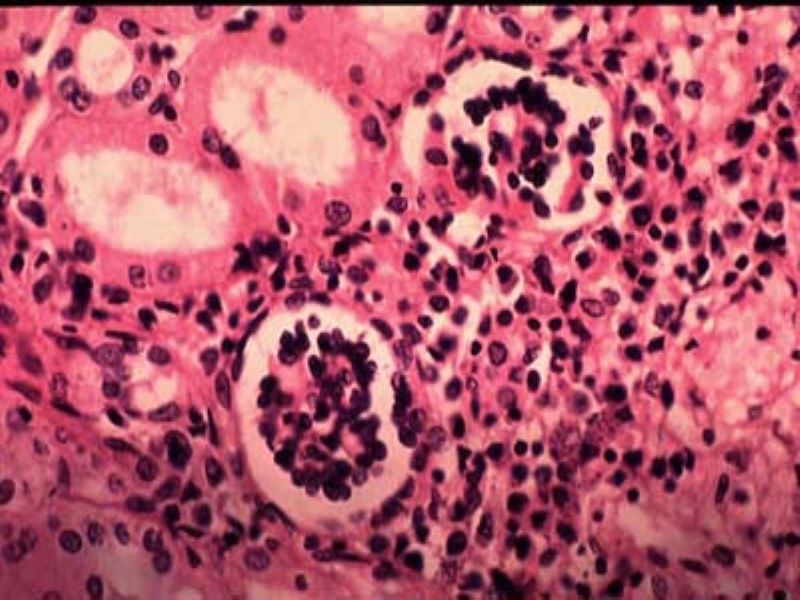
 Kala Azar
11 districts of Bengal report kala azar or black fever: Report
Kolkata: Eleven districts in West Bengal have reported 65 cases of kala azar or black fever in the last couple of weeks, media reports said, citing state government officials.
The cases were detected following state-administered surveillance, officials said, adding that the detection will now allow the state to tackle the spread.
Kala azar or leishmaniases is one of the most dangerous neglected tropical diseases (NTDs) which is endemic in 76 countries, with approximately 200 million people at risk of infection, according to DoctorsWithoutBorders.org (DWB).
According to World Health Organization (WHO), Leishmania parasites are transmitted through the bites of infected female phlebotomine sandflies, which feed on blood to produce eggs.
Around 70 animal species, including humans, have been found as natural reservoir hosts of Leishmania parasites.
WHO notes that
- Early diagnosis and effective prompt treatment reduces the prevalence of the disease and prevents disabilities and death. It helps to reduce transmission and to monitor the spread and burden of disease.
- Control methods include insecticide spray, use of insecticide-treated nets, environmental management and personal protection.
- Effective disease surveillance is important to promptly monitor and act during epidemics and situations with high case fatality rates under treatment.
- Control of animal reservoir hosts is complex and should be tailored to the local situation.
- Social mobilisation and strengthening partnerships with effective behavioural change interventions must always be locally adapted.
According to WHO, all patients diagnosed with visceral leishmaniasis should be given prompt and complete treatment.
It notes that leishmaniasis is a treatable and curable disease, “which requires an immunocompetent system because medicines will not get rid of the parasite from the body, thus the risk of relapse if immunosuppression occurs”.
Support Our Journalism
We cannot do without you.. your contribution supports unbiased journalism
IBNS is not driven by any ism- not wokeism, not racism, not skewed secularism, not hyper right-wing or left liberal ideals, nor by any hardline religious beliefs or hyper nationalism. We want to serve you good old objective news, as they are. We do not judge or preach. We let people decide for themselves. We only try to present factual and well-sourced news.
Support objective journalism for a small contribution.


