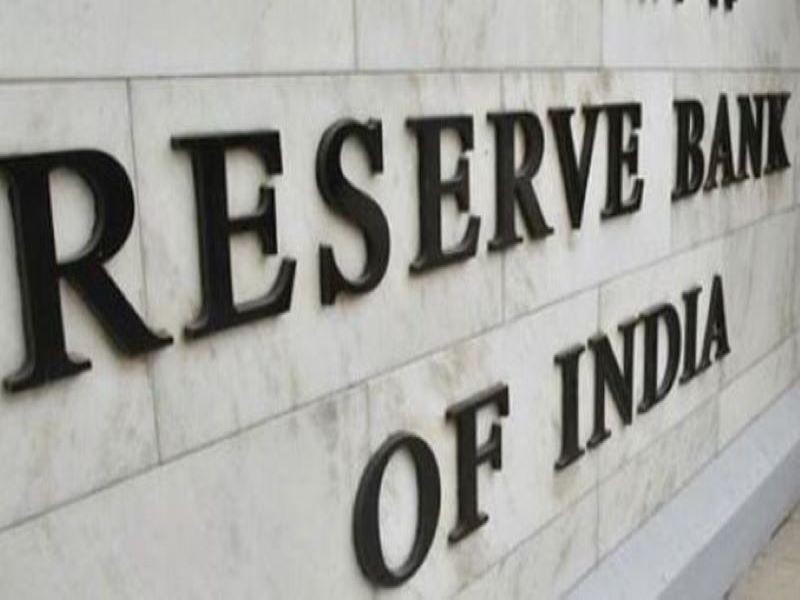
RBI bars pre-payment charges on floating-rate loans for individuals, MSEs from Jan 2026
Mumbai: The Reserve Bank of India (RBI) has barred banks and regulated lenders from charging pre-payment fees on floating-rate loans, including those taken by individuals and micro and small enterprises (MSEs) for business purposes. The new rules will take effect from January 1, 2026, according to a Press Trust of India report.
At present, lenders are not permitted to impose foreclosure or pre-payment penalties on floating-rate loans taken by individuals for non-business purposes, even if co-borrowers are involved.
However, RBI noted that its supervisory reviews revealed inconsistent practices by lenders when it came to loans extended to MSEs, leading to customer complaints and disputes.
In response, the central bank has issued the Reserve Bank of India (Pre-payment Charges on Loans) Directions, 2025, after reviewing both supervisory findings and public feedback on a draft proposal.
Under the new framework, banks and financial institutions must not levy any pre-payment charges on floating-rate business loans taken by individuals or MSEs, regardless of whether there are co-borrowers.
The directive applies to commercial banks (excluding Small Finance Banks, Regional Rural Banks, and Local Area Banks), tier 4 primary (urban) co-operative banks, non-banking financial company – upper layer (NBFC-UL) and all India financial institutions
Additionally, no pre-payment fees will be allowed on non-business loans taken by individuals, even if the loan involves co-borrowers.
For other regulated entities such as Small Finance Banks, Regional Rural Banks, Tier 3 Primary Urban Co-op Banks, State and Central Co-op Banks, and NBFCs–Middle Layer, the waiver will apply for loans with a sanctioned amount or limit up to ₹50 lakh.
The RBI further clarified that this rule applies regardless of the source of pre-payment funds, whether the loan is partially or fully prepaid, and without any minimum lock-in period.
Pre-payment charges will also not be applicable on cash credit or overdraft accounts if the borrower notifies the lender in advance of non-renewal and closes the account on the agreed due date.
Finally, all lenders will be required to clearly disclose the applicability or non-applicability of pre-payment charges in both the loan sanction letter and the loan agreement, the RBI said.
Support Our Journalism
We cannot do without you.. your contribution supports unbiased journalism
IBNS is not driven by any ism- not wokeism, not racism, not skewed secularism, not hyper right-wing or left liberal ideals, nor by any hardline religious beliefs or hyper nationalism. We want to serve you good old objective news, as they are. We do not judge or preach. We let people decide for themselves. We only try to present factual and well-sourced news.
Support objective journalism for a small contribution.