 Niti Aayog | EV
Niti Aayog led study bats for priority sector lending tag to electric vehicles
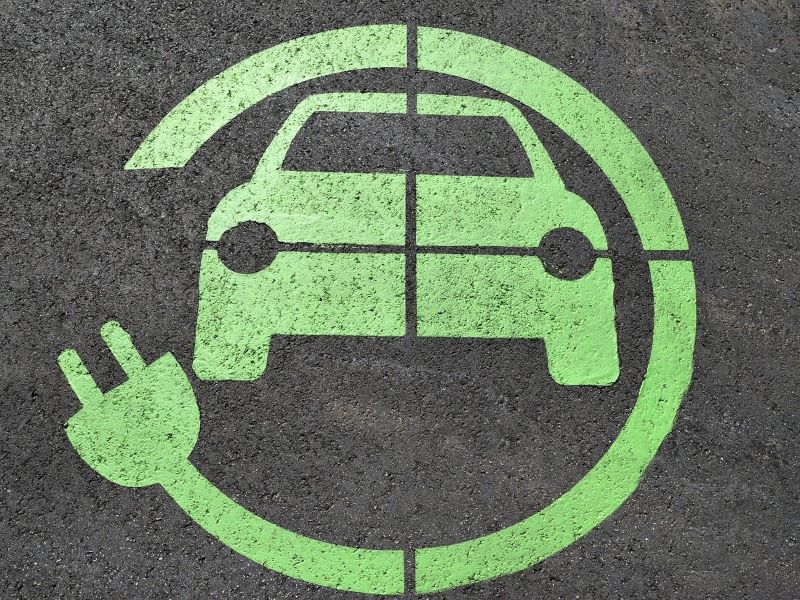
New Delhi/UNI: The NITI Aayog along with Rocky Mountain Institute has sought priority sector lending status for electric two-wheelers, three-wheelers and commercial vehicles in the Reserve Bank of India’s (RBI) priority-sector lending guidelines which can help unlock EV financing market of Rs 40,000 crore by 2025 and achieve COP26 targets.
In a report ‘banking on electric vehicles in India’, NITI Aayog and Rocky Mountain Institute have outlined the importance of priority-sector recognition for retail lending in the electric mobility ecosystem given that banks and non-banking financial companies (NBFCs) have the potential to achieve an EV financing market size of Rs 40,000 crore (USD 5 billion) by 2025 and Rs 3.7 lakh crore (USD 50 billion) by 2030. However, retail finance for EVs has been slow to pick up.
“Financial institutions have an important role to play in accelerating the adoption of EVs in India and supporting the decarbonisation of road transport,” said Amitabh Kant, CEO, NITI Aayog, pointing out that RBI’s PSL mandate has a proven track record of improving the supply of formal credit towards areas of national priority. “It can provide a strong regulatory incentive for banks and NBFCs to scale their financing to EVs,” Kant added.
Priority-sector lending aims to expand financial access and support employment opportunities in India.
The report suggests that in order to meet these goals, the RBI may consider various EV segments and use cases based on five parameters. These are -- socio-economic potential, livelihood generation potential, scalability, techno-economic viability, and stakeholder acceptability.
According to Clay Stranger, Managing Director, RMI, buyers are unable to access low-interest rates and long loan tenures for EVs as banks are concerned about resale value and product quality.
“Priority-sector lending can encourage banks to fast-track India’s transition to EVs and help achieve our 2070 climate goals,” said Stanger.
The engagement of other ministries and industry stakeholders will be also important to ensuring that the guidelines designed are effective in enhancing EV investment in India.
To maximise the impact of the inclusion of EVs, the report also recommends a clear sub-target and penalty mechanism for priority sector lending to renewable energy and EVs.
Furthermore, it suggests recognition of EVs as an infrastructure sub-sector by the Ministry of Finance and the incorporation of EVs as a separate reporting category under the RBI. Multiprong solutions such as these are needed not only for EV penetration and businesses, but also for the financial sector and India’s 2070 net-zero target.
Support Our Journalism
We cannot do without you.. your contribution supports unbiased journalism
IBNS is not driven by any ism- not wokeism, not racism, not skewed secularism, not hyper right-wing or left liberal ideals, nor by any hardline religious beliefs or hyper nationalism. We want to serve you good old objective news, as they are. We do not judge or preach. We let people decide for themselves. We only try to present factual and well-sourced news.
Support objective journalism for a small contribution.