India may hike GST on luxury EVs, proposal could hit Tesla, BMW, Mercedes: Report
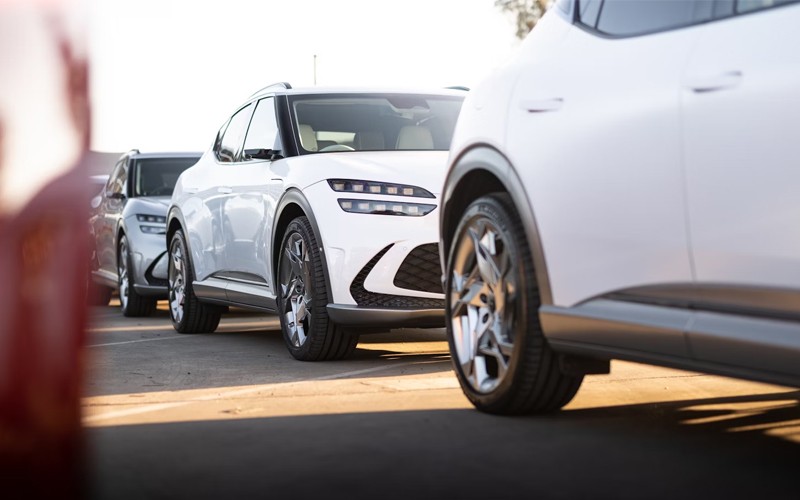
New Delhi: An Indian tax panel has recommended steep hikes in consumer levies on luxury electric vehicles (EVs) priced above $46,000, according to a government document reviewed by Reuters.
The move could significantly impact foreign automakers like Tesla, Mercedes-Benz, BMW, and BYD, while also weighing on domestic players at the premium end.
Currently, EVs attract a 5% GST rate. The panel has suggested raising it to 18% for models priced between ₹2–4 million ($23,000–$46,000) and to 28% for those above $46,000.
But with Modi’s government phasing out the 28% slab, the GST Council may either place such EVs under the 18% category or move them into a newly carved 40% bracket for luxury goods.
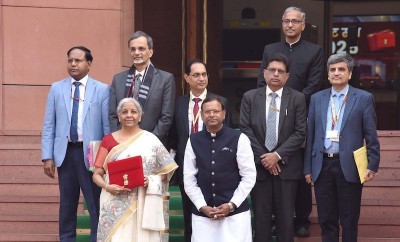
The GST Council, chaired by the Union finance minister and comprising state representatives, is scheduled to review the proposal on September 3–4.
The move comes as Prime Minister Narendra Modi pushes for tax reform that slashes rates on essential items to boost consumption while signalling higher taxes for imports and luxury goods.
It also coincides with souring ties with the US over Indian imports of cheap Russian crude.
Carmakers have cautioned against the proposal. Tata Motors told Reuters it is “imperative” to retain the 5% GST rate to ensure India’s transition to clean mobility.
BMW India said higher rates “can derail the vision of high electric adoption and local production.” Mercedes-Benz India noted the impact would be felt most at the “entry-level” luxury EV segment.
The impact was immediate on markets: the Nifty Auto index slipped 0.5% after the news, with Mahindra & Mahindra shares falling nearly 3% and Tata Motors down 1.2%.
India’s EV market remains small—just 5% of car sales between April and July 2025—but demand is growing fast.
Sales surged 93% year-on-year to 15,500 units in the four months, led by Tata’s near 40% share, followed by Mahindra (18%), BYD (3%), and Mercedes-BMW combined (2%).
Tesla has yet to begin deliveries but recently opened two showrooms in India.
Support Our Journalism
We cannot do without you.. your contribution supports unbiased journalism
IBNS is not driven by any ism- not wokeism, not racism, not skewed secularism, not hyper right-wing or left liberal ideals, nor by any hardline religious beliefs or hyper nationalism. We want to serve you good old objective news, as they are. We do not judge or preach. We let people decide for themselves. We only try to present factual and well-sourced news.
Support objective journalism for a small contribution.