Pahalgam attack fallout: Pakistan races to secure drug supplies after India trade halt
Islamabad: Pakistani health authorities have launched "emergency preparedness" measures to safeguard pharmaceutical supplies after India slapped retaliatory measures to punish Pakistan in response to the April 22 Pahalgam terror attack, where 26 people, mostly Hindu tourists, were killed, media reports said.
The move comes after India suspended the Indus Water Treaty and closed the Attari border, amid other measures, in response to the attack conducted by The Resistance Front (TRF), a proxy of the banned Pakistan-based Lashkar-e-Taiba (LeT).
According to reports, the Drug Regulatory Authority of Pakistan (DRAP) confirmed that although no formal notification has been issued regarding the pharmaceutical sector, contingency plans are already underway.
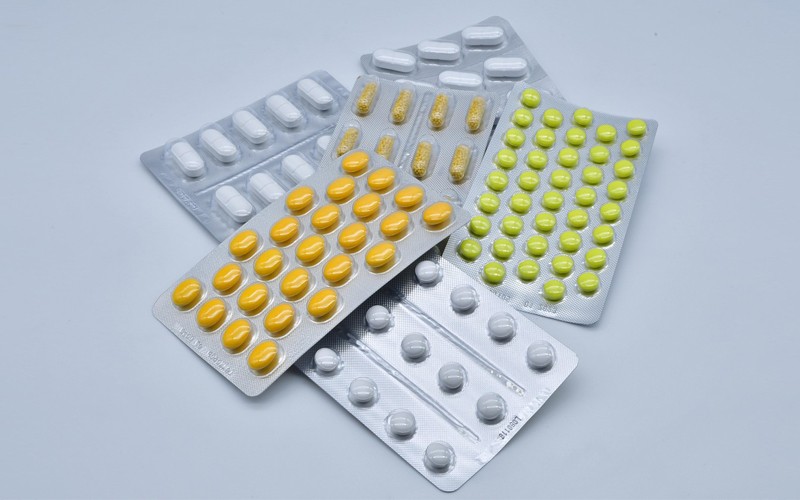
Pakistan currently depends on India for 30–40% of its pharmaceutical raw materials, including Active Pharmaceutical Ingredients (API) and advanced therapeutic products.
In light of the trade suspension, DRAP is now seeking alternative suppliers from China, Russia, and several European countries to ensure the uninterrupted availability of essential medicines like anti-rabies vaccines, anti-snake venom, cancer therapies, monoclonal antibodies, and other critical biological products.
Despite DRAP's preparations, health experts and industry insiders warned that unless swift action is taken, the supply chain disruption could lead to serious shortages.
Pakistan also imports finished products, most importantly, anti-cancer therapies, biological products, vaccines, and sera, especially anti-rabies vaccine and anti-snake venom from India, said reports, citing sources.
Pakistan's Ministry of Health has not yet issued an official directive on pharmaceutical imports, even as a blanket trade suspension remains in effect.
Concerns are heightened by the existence of a thriving black market where unregistered and unapproved medicines are smuggled into Pakistan through Afghanistan, Iran, Dubai, and across the eastern border.
While these informal routes help bridge shortages, they offer no assurance of quality or stable supply.
Amid these concerns, a delegation from the Pakistan Pharmaceutical Manufacturers Association (PPMA) travelled to Islamabad on Thursday to seek an exemption for the pharmaceutical sector from the trade ban.
PPMA urged DRAP and Ministry of Commerce officials to exempt the pharmaceutical sector from the ban, as there are many life-saving products whose raw materials come exclusively from India.
The PPMA delegation also met with officials from the Special Investment Facilitation Council (SIFC), arguing that health-related trade must be protected to safeguard patients' lives.
Some experts see the current crisis as a wake-up call for Pakistan to invest in developing domestic production capacities for APIs, vaccines, and biologicals.
Pakistan’s health experts said the country should address this situation as a wakeup call.
Support Our Journalism
We cannot do without you.. your contribution supports unbiased journalism
IBNS is not driven by any ism- not wokeism, not racism, not skewed secularism, not hyper right-wing or left liberal ideals, nor by any hardline religious beliefs or hyper nationalism. We want to serve you good old objective news, as they are. We do not judge or preach. We let people decide for themselves. We only try to present factual and well-sourced news.
Support objective journalism for a small contribution.