 India First
Maldives ruling party defends ‘India First’ policy amid growing domestic pushback
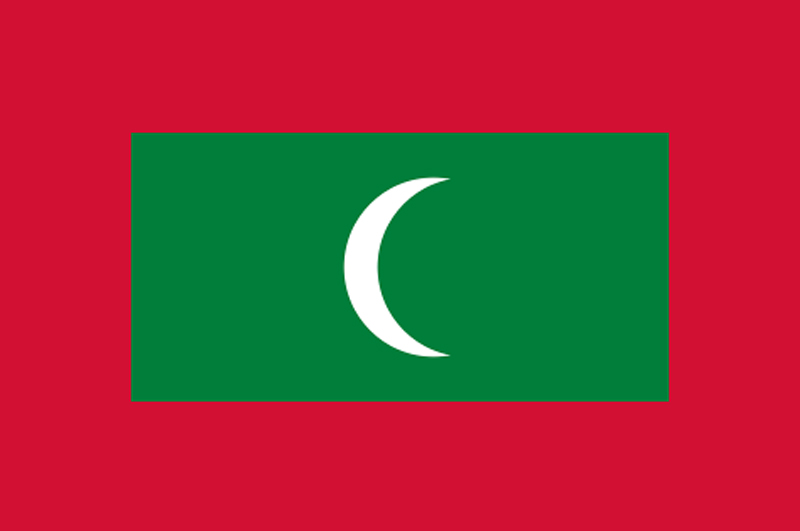
Male: Amid growing voices of protest over the Maldives' close ties with India, the Maldives ruling party had defended the country’s ‘India First’ policy, calling it "necessary" for the Indian Ocean archipelago’s national security.
The Maldives needs to have the ‘India First’ policy and it is necessary for the archipelago’s larger foreign policy, said Ibrahim Shareef, a ruling party MP and the chair of the Parliament Committee on National Security and Foreign Policy.
“Our people are concerned about the ‘India First’ policy, but it is necessary. This is as the geographical formation of the Maldives does not allow the nation to physically extend too far from where it is situated,” he said during a parliamentary debate on its “India First” policy.
Over the last year, concern has been growing in the predominantly Sunni Muslim nation about the country’s increasing proximity to India. The relations with India, in fact, became high politicized in the Maldives. Last year, the country witnessed a months-long protest in form of ‘India Out” campaigns with the supposed backing of opposition parties.
Defending its ‘India First’ policy, Shareef, said, “As one of the closest countries to the Maldives in proximity that is also the strongest in the region is India – Maldives must maintain good relations with the Indian government for national security and other purposes."
He further assured that the policy won’t mean the Maldives “abandoning” diplomatic relations with other countries. “We should maintain good diplomatic relations with China, Canada, the US, the United Nations, and also the Commonwealth," he added.
The country, he said, will not exercise bias with other countries in the region, and will prioritize relations with Islamic countries.
“We cannot survive if we point fingers at a powerful nation. Our businesses cannot expand if we make another country an enemy. The best foreign policy for the Maldives is to maintain close ties with all the countries," he said.
Last year, the Maldives saw politically motivated protests against the so-called presence of four Indian military helicopters in the archipelago. Opposition parties accused the government of compromising the country’s sovereignty. Despite the pushback, the ruling party had strongly defended the ties with India, terming it necessary for the country’s security.
In February, the issue reignited when India and the Maldives signed an agreement for developing the harbor at Uthuru Thila Falhu naval base during the visit of Indian External Affairs Minister S Jaishankar.
Opposition leaders cornered the government for keeping certain terms of the agreement confidential. The government responded it was necessary and related to national security. However, Maldives President Ibrahim Mohammed Solih assured them they would share the details in the future.
Furthermore, India’s premature announcement in May this year -- regarding the opening of a consulate in the politically sensitive southern city of Addu-- had embarrassed the Maldives government back home. Reacting to the announcement, President Solih, then, said his government had made no decision on opening the Indian consulate.
Ahmed Mohammed, former Maldivian ambassador to India, had said that New Delhi should be more “aware of the sensitivities” within the Maldives.
Support Our Journalism
We cannot do without you.. your contribution supports unbiased journalism
IBNS is not driven by any ism- not wokeism, not racism, not skewed secularism, not hyper right-wing or left liberal ideals, nor by any hardline religious beliefs or hyper nationalism. We want to serve you good old objective news, as they are. We do not judge or preach. We let people decide for themselves. We only try to present factual and well-sourced news.
Support objective journalism for a small contribution.