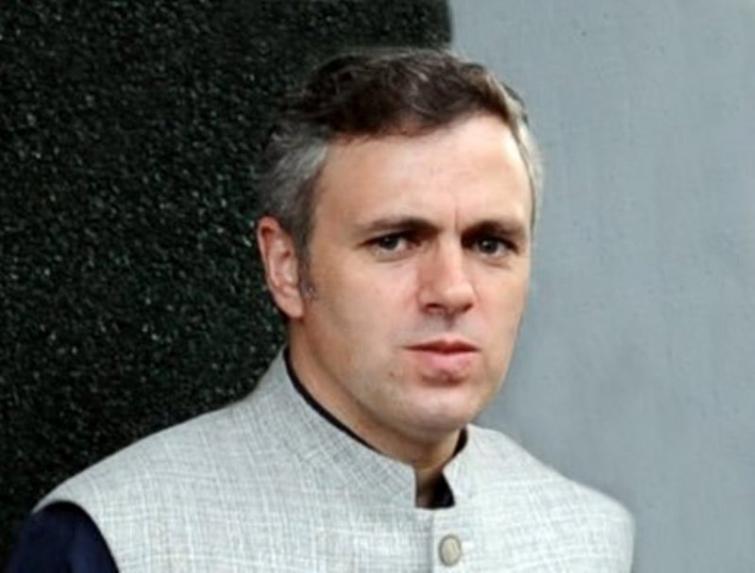
Former J&K CM Omar Abdullah to be released today after seven months in detention
New Delhi/IBNS: Ex-Jammu and Kashmir Chief Minister Omar Abdullah, who was detained in August last year ahead of the Centre’s move to scrap the erstwhile state’s special status, will be released from detention on Tuesday, media reports said.
A Jammu and Kashmir administration spokesman said on Tuesday that orders to release Omar Abdullah had been issued, reported Hindustan Times.
Amid detention, Omar recently turned 50.
He is under detention for a little more than seven months now.
Omar Abdullah was charged under the Public Safety Act.
He has been kept under detention ever since the Centre scrapped Article 370 in Kashmir.
The Public Safety Act is a stringent law that allows detention without trial for up to three months.
Repealing Article 370 and 35A, the Union government bifurcated Jammu and Kashmir into two Union Territories-Jammu and Kashmir with an assembly and Ladakh without an assembly.
Article 35A of the Indian Constitution had allowed the Jammu and Kashmir state's legislature to define “permanent residents” of the state and also provided special rights and privileges to those permanent residents.
Article 370 had allowed Jammu and Kashmir to have its own constitution, flag and right to handle its own laws except on matters that impact national security.
Support Our Journalism
We cannot do without you.. your contribution supports unbiased journalism
IBNS is not driven by any ism- not wokeism, not racism, not skewed secularism, not hyper right-wing or left liberal ideals, nor by any hardline religious beliefs or hyper nationalism. We want to serve you good old objective news, as they are. We do not judge or preach. We let people decide for themselves. We only try to present factual and well-sourced news.
Support objective journalism for a small contribution.