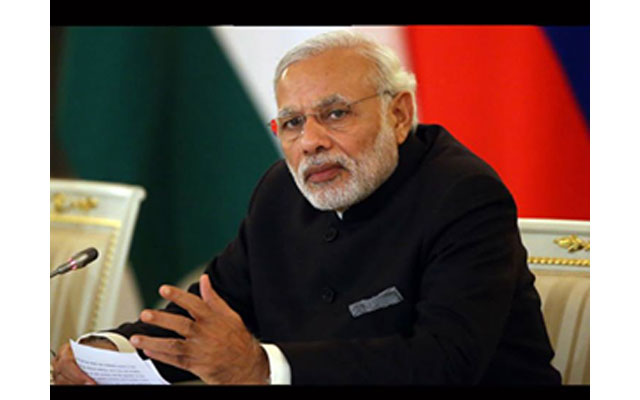
Cabinet approves ratification of the Second Commitment Period of Kyoto Protocol to the UN Framework Convention on Climate Change
The second commitment period of the Kyoto Protocol was adopted in 2012. So far, 65 countries have ratified the Second Commitment Period,read a government statement.
In view of the critical role played by India in securing international consensus on climate change issues, this decision further underlines India's leadership in the comity of nations committed to global cause of environmental protection and climate justice. Ratification of the Kyoto Protocol by India will encourage other developing countries also to undertake this exercise. Implementation of Clean Development Mechanism (CDM) projects under this commitment period in accordance with Suslainable Development priorities will attract some investments in India as well.
The United Nations Framework Convention on Climate Change (UNFCC) seeks to stabilise Green House Gas concentrations in the atmosphere at a level that would minimize interference with the climate system.
Recognizing that developed countries are principally responsible for the current high levels of Greenhouse Gas (GHGs) in the atmosphere, the Kyoto Protocol places commitments on developed nations to undertake mitigation targets and to provide financial resources and transfer of technology to the developing nations. Developing countries like India have no mandatory mitigation obligations or targets under the Kyoto Protocol.
Support Our Journalism
We cannot do without you.. your contribution supports unbiased journalism
IBNS is not driven by any ism- not wokeism, not racism, not skewed secularism, not hyper right-wing or left liberal ideals, nor by any hardline religious beliefs or hyper nationalism. We want to serve you good old objective news, as they are. We do not judge or preach. We let people decide for themselves. We only try to present factual and well-sourced news.
Support objective journalism for a small contribution.