


 Diabetes
What is Awiqli? Everything you need to know about Novo Nordisk's world's first once-weekly insulin
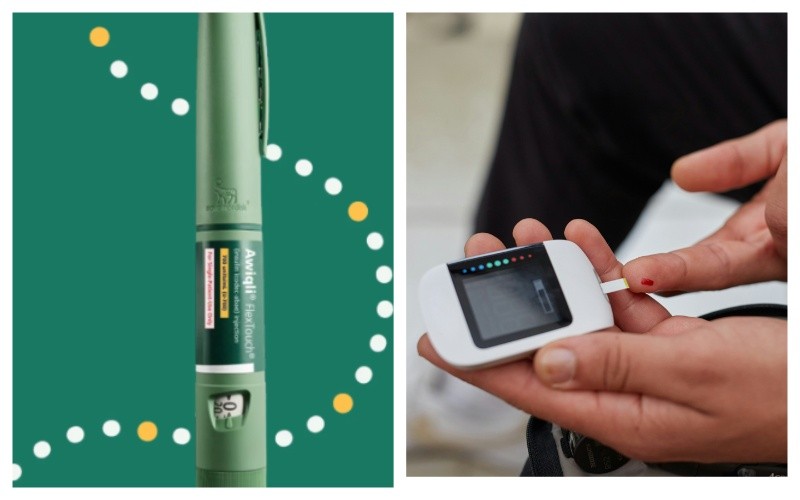
Danish pharmaceutical giant Novo Nordisk, on June 9, launched Awiqli, its once-weekly basal insulin injection, in India, positioning it as a major advancement in diabetes care that could significantly reduce the number of insulin injections required by patients.
The new therapy is expected to reduce the annual number of basal insulin injections for eligible patients from 365 to just 52, offering a more convenient treatment option for adults with Type 2 diabetes.
Speaking to NDTV, Vikrant Shrotriya, Managing Director of Novo Nordisk India, described the launch as a solution rather than a disruption.
"When we are launching Awiqli, you called it a disruption. I call it a solution for Type 2 diabetes," Shrotriya said.
He added that Novo Nordisk had applied lessons learned from pricing its semaglutide products in India while determining Awiqli's pricing strategy.
According to NDTV, the 1 ml Awiqli FlexTouch pen, containing 700 units of insulin, is priced at Rs 2,611, while the 3 ml pen, containing 2,100 units, costs Rs 7,833. Based on an indicative weekly dose of 70 units, the treatment costs approximately Rs 261–263 per week.
"We have been able to get the pricing for the launch in India much more affordable than even the current analogs," Shrotriya said.
He added that the combination of fewer injections, competitive pricing and Novo Nordisk's extensive distribution network, developed in partnership with Abbott, could make Awiqli a high-volume product.
"I really wish and hope for a volume play. With this kind of pricing, and with the kind of distribution network which we have got, the volume play comes into the picture," he said.
FDA Approval
In March, Novo Nordisk announced that the US Food and Drug Administration (FDA) had approved Awiqli (insulin icodec-abae) injection 700 units/mL.
The company said Awiqli is the first and only FDA-approved once-weekly basal insulin indicated as an adjunct to diet and exercise for adults with Type 2 diabetes.
Designed as an alternative to daily basal insulin therapy, Awiqli's approval is based on findings from the ONWARDS clinical programme, which evaluated its efficacy and safety across diverse adult populations living with Type 2 diabetes.
The insulin is administered once a week on the same day using the Awiqli FlexTouch injection pen.
What Is Diabetes?
Diabetes is a chronic disease that occurs when the pancreas does not produce enough insulin or when the body cannot effectively use the insulin it produces. Insulin is a hormone that regulates blood sugar levels.
According to the World Health Organization (WHO), uncontrolled diabetes leads to hyperglycaemia, or elevated blood sugar, which over time can cause serious damage to multiple organs and body systems, particularly the nerves and blood vessels.
Diabetes Burden in India
According to WHO estimates, around 77 million people aged 18 years and above in India are living with Type 2 diabetes, while nearly 25 million people are prediabetic, placing them at a higher risk of developing the disease in the future.
India remains one of the countries with the world's largest diabetes burden, underscoring the need for more accessible and convenient treatment options.
Support Our Journalism
We cannot do without you.. your contribution supports unbiased journalism
IBNS is not driven by any ism- not wokeism, not racism, not skewed secularism, not hyper right-wing or left liberal ideals, nor by any hardline religious beliefs or hyper nationalism. We want to serve you good old objective news, as they are. We do not judge or preach. We let people decide for themselves. We only try to present factual and well-sourced news.
Support objective journalism for a small contribution.


