


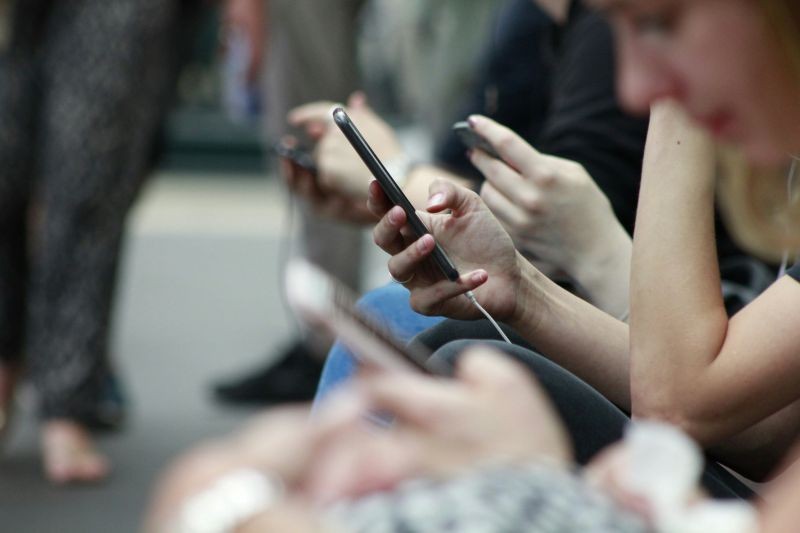
 Smartphone
Too much phone time? It may be driving eating disorders in youth
New research has found a strong link between excessive smartphone use and disordered eating behaviours among young people, even in those with no formal diagnosis of an eating disorder.
The study, published in the Journal of Medical Internet Research, highlights a significant association between Problematic Smartphone Use (PSU)—a pattern of behavioural or psychological dependence on smartphones—and the severity of eating disorder symptoms. Researchers say the findings underscore the need for early intervention strategies targeting excessive phone use among youth.
While previous studies have explored the impact of internet overuse, social media exposure, and harmful online content on body image and dysphoria, this research is among the first to specifically examine PSU in relation to eating behaviours.
“Smartphones have become ubiquitous in our everyday lives. Our study shows that even among individuals without an eating disorder diagnosis, excessive smartphone use is linked to poor body satisfaction and altered eating behaviours, and may be a source of distress,” said Ben Carter, Professor of Medical Statistics at King’s IoPPN and the study’s senior author.
The researchers reviewed 35 studies from across the globe, covering a combined sample of 52,584 participants with an average age of 17.
Their analysis found that higher daily smartphone use was associated with increased symptoms of food addiction, as well as broader disordered eating patterns such as uncontrolled eating and emotional overeating. It also correlated with greater body dissatisfaction among individuals without a diagnosed eating disorder.
The association was particularly strong among those who used their smartphones for more than seven hours a day.
“Adolescence is a critical stage of development, where individuals shape their sense of self by observing others. While smartphones can facilitate this, constant exposure to idealised images may lead to unhealthy comparisons, resulting in low self-esteem and body dissatisfaction—both known risk factors for eating disorders,” said Johanna Keeler, Visiting Lecturer at King’s IoPPN and the study’s lead author.
Support Our Journalism
We cannot do without you.. your contribution supports unbiased journalism
IBNS is not driven by any ism- not wokeism, not racism, not skewed secularism, not hyper right-wing or left liberal ideals, nor by any hardline religious beliefs or hyper nationalism. We want to serve you good old objective news, as they are. We do not judge or preach. We let people decide for themselves. We only try to present factual and well-sourced news.
Support objective journalism for a small contribution.


