 COVID-19
No end in sight to COVID crisis, and its impact will last for ‘decades to come’: WHO
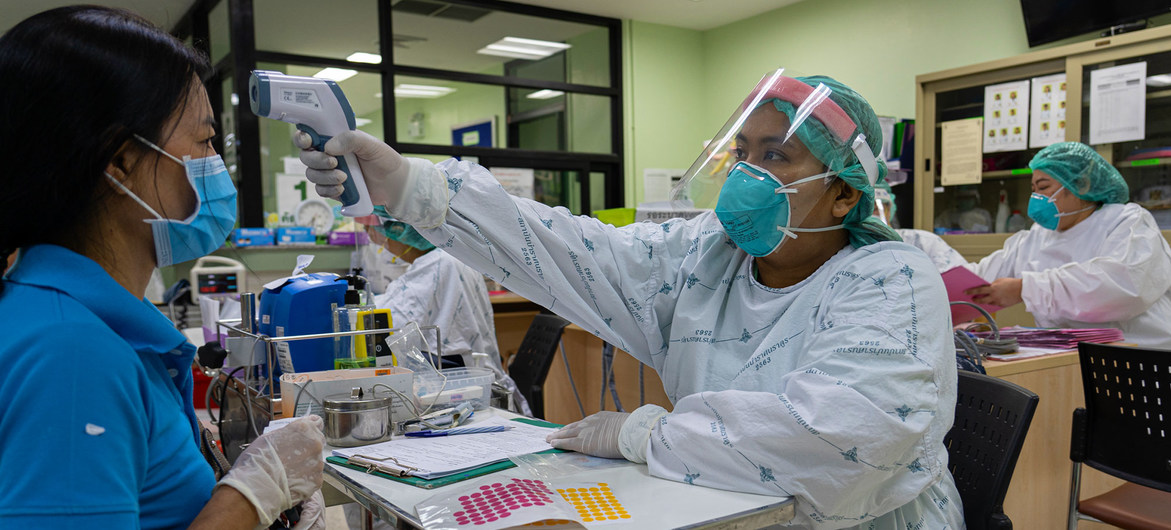
New York: Expressing “appreciation for WHO and partners’ COVID-19 pandemic response efforts”, the emergency committee convened by the UN health agency’s chief, made it clear that there is not yet an end in sight to the public health crisis that has so far infected more than 17 million and killed over 650,000 people.
The committee convened by Tedros Adhanom Ghebreyesus, Director-General of the World Health Organization, under the International Health Regulations (2005) (IHR), held its fourth meeting on 31 July.
Sustained effort needed
In its statement following the meeting, published on Saturday, it highlighted the “anticipated lengthy duration” of the pandemic, noting “the importance of sustained community, national, regional, and global response efforts.”
After a full discussion and review of the evidence, the Committee “unanimously agreed” the outbreak still constitutes a public health emergency of international concern (PHEIC). Tedros accepted the advice of the Committee.
The Director-General declared a PHEIC - WHO’s highest level of alarm - on 30 January, at a time when there were fewer than 100 cases in total, and no deaths outside China.
‘Once-in-a-century health crisis’
“The pandemic is a once-in-a-century health crisis, the effects of which will be felt for decades to come", Tedros told the Committee in his opening remarks on Friday.
"Many countries that believed they were past the worst are now grappling with new outbreaks. Some that were less affected in the earliest weeks are now seeing escalating numbers of cases and deaths. And some that had large outbreaks have brought them under control."
Recommendations
The Committee made a range of recommendations to both WHO and Member States.
It advised the agency to continue to mobilize global and regional multilateral organizations and partners for COVID-19 preparedness and response and to support Member States in maintaining health services, while also accelerating the research and eventual access to diagnostics, therapeutics, and vaccines.
It advised countries to support these research efforts, including through funding, and to join in efforts to allow equitable allocation of diagnostics, therapeutics and vaccines by engaging in the Access to COVID-19 Tools (ACT) Accelerator, an unprecedented global collaboration between countries, philanthropists and business.Fair access
The committee also advised countries to strengthen public health policies to identify cases, and improve speedy contact tracing, “including in low-resource, vulnerable, or high-risk settings and to maintain essential health services with sufficient funding, supplies, and human resources.”
Countries were also advised the committee to implement proportionate measures and advice on travel, based on risk assessments, and to review these measures regularly.
Support Our Journalism
We cannot do without you.. your contribution supports unbiased journalism
IBNS is not driven by any ism- not wokeism, not racism, not skewed secularism, not hyper right-wing or left liberal ideals, nor by any hardline religious beliefs or hyper nationalism. We want to serve you good old objective news, as they are. We do not judge or preach. We let people decide for themselves. We only try to present factual and well-sourced news.
Support objective journalism for a small contribution.