


 Mental Health
Mental health alert for 332 million children linked to COVID-19 lockdown policies: UNICEF
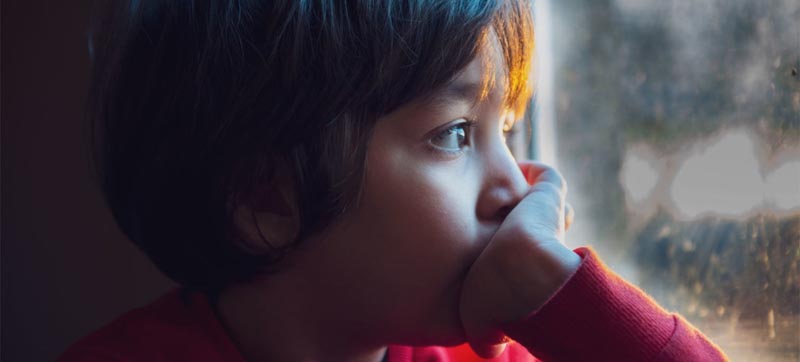
New York: The UN Children’s Fund, UNICEF, says the mental health of millions of children worldwide has been put at risk, with at least one in seven forced to remain at home under nationwide public health orders – or recommendations – during the COVID-19 pandemic.
Based on new research, it said on Thursday that more than 330 million youngsters have been stuck at home for at least nine months, since the virus spread uncontrollably this time last year.
This has left them feeling isolated and anxious about their future, said UNICEF spokesperson James Elder: “Tens and tens of millions of youngsters have been left feeling isolated and afraid and lonely and anxious because of these enforced lockdowns and isolations that have become as a result of this pandemic.”
He said countries needed to emerge from this pandemic “with a better approach, a better approach to child and adolescent mental health, and that probably starts just by giving the issue the attention it deserves.”
Mental vulnerabilities
Half of all mental disorders develop before the age of 15, according to UNICEF and the majority of the 800,000 people who die by suicide annually, are under 18s.
The UN agency also said that the pandemic has disrupted or halted critical mental health services in 93 per cent of countries worldwide.
UNICEF Executive Director, Henrietta Fore, said that when day after day “you are away from your friends and distant loved ones, and perhaps even stuck at home with an abuser, the impact is significant.
“Many children are left feeling afraid, lonely, anxious, and concerned for their future. We must emerge from this pandemic with a better approach to child and adolescent mental health, and that starts by giving the issue the attention it deserves.”
For children experiencing violence, neglect or abuse at home, lockdowns have left many stranded with abusers. Children in vulnerable population groups - like those living and working on the streets, children with disabilities, and children living in conflict settings - risk having their mental health needs overlooked entirely.
According to WHO, the COVID-19 pandemic has disrupted or halted critical mental health services in 93 per cent of countries worldwide, while the demand for mental health support is increasing.
UNICEF responding
To respond to growing needs, the agency has offered support to Governments and partners to prioritize services for children.
In Kazakhstan, this has led to the launch of a UNICEF platform for individual online counselling services, alongside distance training in schools for mental health specialists.
In China, the agency has also worked with social media company Kuaishou, to produce an online challenge to help reduce anxiety in children.
Later this year, UNICEF will dedicate its biennial flagship report on the state of the world’s children, to child and adolescent mental health, in a bid to increase awareness of the global challenge, exacerbated profoundly by the coronavirus.
Boost investment
“If we did not fully appreciate the urgency prior to the COVID-19 pandemic, surely we do now”, said Ms. Fore.
Countries must dramatically invest in expanded mental health services and support for young people and their caregivers in communities and schools. We also need scaled-up parenting programmes to ensure that children from vulnerable families get the support and protection they need at home.”
Support Our Journalism
We cannot do without you.. your contribution supports unbiased journalism
IBNS is not driven by any ism- not wokeism, not racism, not skewed secularism, not hyper right-wing or left liberal ideals, nor by any hardline religious beliefs or hyper nationalism. We want to serve you good old objective news, as they are. We do not judge or preach. We let people decide for themselves. We only try to present factual and well-sourced news.
Support objective journalism for a small contribution.


