US gives 60-day withdrawal notice to India on GSP benefits
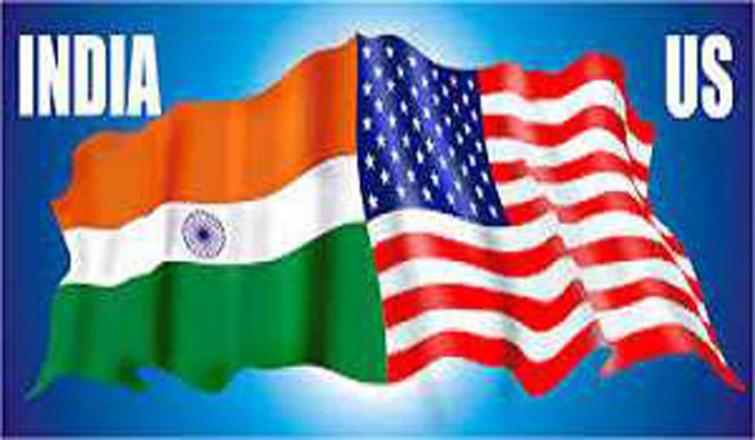
New Delhi, Mar 5 (UNI) The United States on Tuesday gave a 60-day withdrawal notice to India on the Generalised System of Preferences (GSP) benefits extended by the US.
Since the review was initiated by the US in April 2018 on India's GSP benefits, the two countries have been discussing various trade issues of bilateral interest for a suitable resolution on mutually acceptable terms.
GSP benefits are envisaged to be non-reciprocal and non-discriminatory benefits extended by developed countries to developing countries. In India's case the GSP concessions extended by the US amounted to duty reduction of only 190 million dollars per annum.
The US had initiated the review on the basis of representations by the US medical devices and dairy industries, but subsequently included numerous other issues on a self-initiated basis. These included issues related to market access for various agriculture and animal husbandry products, relaxation / easing of procedures related to issues like telecom testing / conformity assessment and tariff reduction on ICT products.
The Commerce and Industry Ministry in a statement said, “The Department of Commerce engaged with various government departments concerned with these issues, and India was able to offer a very meaningful way forward on almost all the US requests.
“In a few instances, specific US requests were not found reasonable and doable at this time by the departments concerned, in light of public welfare concerns reflective of India's developing country status and its national interest.”
The Ministry said India was ready to address US concerns regarding medical devices in principle, by putting in place a suitable trade margin approach in a reasonable time frame to balance concerns about fair pricing for the consumers and adequate remuneration for the suppliers.
On the issue of dairy market access, New Delhi has clarified that while the certification requirement that the source animal had never been fed animal derived blood meal is non-negotiable given the cultural and religious sentiment, the requested simplified dairy certification procedure, without diluting this requirement, could be considered.
Acceptability of US market access requests related to products like alfalfa hay, cherries and pork was conveyed, according to the Ministry.
On reduction of the IT duties, it added, “India's duties are moderate and not import stopping. Any MFN duty reduction would almost entirely benefit third countries. Accordingly, India conveyed willingness to extend duty concessions on specific items in which there is a clear US interest. On telecom testing, India was willing to consider discussions for a Mutual Recognition Agreement.”
Due to various initiatives resulting in enhanced purchase of US goods like oil and natural gas and coal the US trade deficit with India has substantially reduced in calendar years 2017 and 2018. The reduction is estimated to be over 4 billion dollars in 2018, with further reduction expected in future years on account of factors like the growing demand for energy and civilian aircraft in India.
This reduction has happened in the face of a rising overall US trade deficit, including with some other major economies. India is also a thriving market for US services and e-commerce companies like Amazon, Uber, Google and Facebook with billions of dollars of revenue.
The issue of Indian tariffs being high has been raised from time to time. It is pertinent that India’s tariffs are within its bound rates under WTO commitments, and are on the average well below these bound rates. India’s trade weighted average tariffs are 7.6 per cent, which is comparable with the most open developing economies, and some developed economies. On developmental considerations there may be a few tariff peaks, which is true for almost all economies.
“India was agreeable to a very meaningful mutually acceptable package on the above lines to be agreed to at this time, while keeping remaining issues under discussion in the future,” the Ministry added.
Support Our Journalism
We cannot do without you.. your contribution supports unbiased journalism
IBNS is not driven by any ism- not wokeism, not racism, not skewed secularism, not hyper right-wing or left liberal ideals, nor by any hardline religious beliefs or hyper nationalism. We want to serve you good old objective news, as they are. We do not judge or preach. We let people decide for themselves. We only try to present factual and well-sourced news.
Support objective journalism for a small contribution.