RBI fast-tracks rupee-rouble trade with sweeping settlement reforms
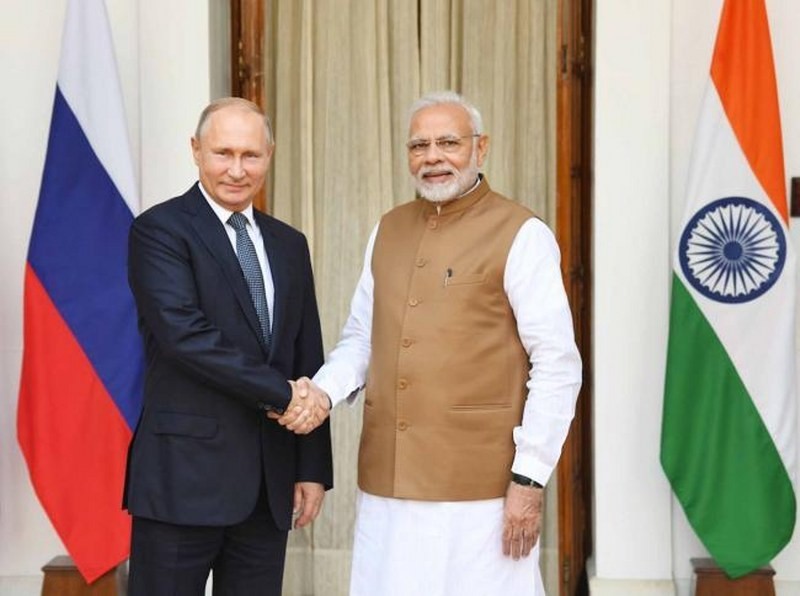
Mumbai: In a decisive push to bypass the dollar and cut trade bottlenecks, the Reserve Bank of India has cleared the way for faster, easier rupee-rouble settlements with Russia—just as tariff tensions with the US threaten to strain India’s exports, according to a Times of India report.
Streamlining rupee-rouble settlements
The Reserve Bank of India (RBI) has moved to simplify and accelerate trade settlements in rupees with Russia, reflecting growing interest in rupee-rouble transactions after recent global trade shifts.
The momentum intensified when US President Donald Trump announced higher tariffs on Indian exports.
In response, on August 5, the RBI allowed authorised dealer (AD) category-1 banks to open special rupee vostro accounts (SRVAs) for their foreign correspondent banks without seeking prior approval.
More freedom for SRVA funds
On August 12, the RBI eased rules further, allowing funds parked in SRVAs to be freely invested in government securities and treasury bills.
A vostro account is a domestic bank account held for a foreign bank in the local currency.
“An SRVA facilitates oil trade with Russia by enabling transactions to be settled directly in rupees without converting through third-party currencies like the dollar,” experts note.
Cutting costs and delays in oil trade
Previously, banks needed RBI permission to open SRVAs, slowing down trade settlements.
The new framework enables banks to operate more independently, streamlining invoicing, payments, and settlements for rupee-based international trade.
In the oil sector, Russian exporters can hold Indian rupees in SRVAs with Indian banks, allowing Indian importers to pay directly in rupees, bypassing the dollar.
This change reduces currency conversion costs, exchange rate risks, and payment delays.
Addressing settlement challenges
India’s oil-heavy trade deficit with Russia means rupees often accumulate with Russian exporters, complicating settlements.
Many Russian companies still prefer dollar payments despite being exempt from US sanctions, while the volatile, tightly controlled rouble frequently necessitates conversions through the dollar.
Western sanctions restricting access to SWIFT add to the hurdles.
RBI’s multi-pronged strategy
To navigate these issues, the RBI and government agencies are working on several measures.
These include developing a dynamic rupee-rouble exchange mechanism to avoid costly dollar conversions, establishing payment confirmation systems, and exploring alternative financial messaging platforms to replace SWIFT.
Russian entities will also be able to invest surplus rupee balances from SRVAs in Indian government securities, bonds, equity, and infrastructure projects.
In addition, there are proposals to use rupee balances for third-country exports, enabling Russian suppliers to buy Indian goods while receiving payments in other currencies. Talks are also underway for trilateral settlement mechanisms involving the UAE.
These reforms are aimed at making rupee-rouble trade more efficient while reducing operational, currency, and regulatory risks.
Support Our Journalism
We cannot do without you.. your contribution supports unbiased journalism
IBNS is not driven by any ism- not wokeism, not racism, not skewed secularism, not hyper right-wing or left liberal ideals, nor by any hardline religious beliefs or hyper nationalism. We want to serve you good old objective news, as they are. We do not judge or preach. We let people decide for themselves. We only try to present factual and well-sourced news.
Support objective journalism for a small contribution.