


Bulgaria adopts euro, joining currency bloc despite public opposition
Bulgaria adopted the euro on Thursday, formally joining the eurozone despite opposition from sections of society and concerns over preparedness for the switch.
European Central Bank President Christine Lagarde welcomed Bulgaria’s entry into the single-currency area, calling the euro “a powerful symbol of what Europe can achieve when we work together” and a reflection of the bloc’s shared values and collective strength amid global geopolitical uncertainty.
The Balkan nation, an EU member since 2007, becomes the latest country to join the eurozone after Croatia’s accession in January 2023. With Bulgaria’s entry, more than 350 million Europeans now use the common currency.
Only six of the European Union’s 27 members remain outside the euro area: Sweden, Poland, the Czech Republic, Hungary, Romania and Denmark.
President Rumen Radev described the move as the “final step” in Bulgaria’s integration into the European Union but expressed regret that the decision was not put to a national referendum.
In a New Year’s Eve address, he said the lack of public consultation highlighted a deep divide between the political class and the population, pointing to mass demonstrations held across the country in recent weeks.
Public opinion has remained sharply divided. According to the latest Eurobarometer survey, 49 per cent of Bulgarians opposed adopting the euro.
In the days leading up to the changeover, some business owners reported difficulties obtaining euro banknotes and coins, while banks warned of possible temporary disruptions to card payments and ATM withdrawals.
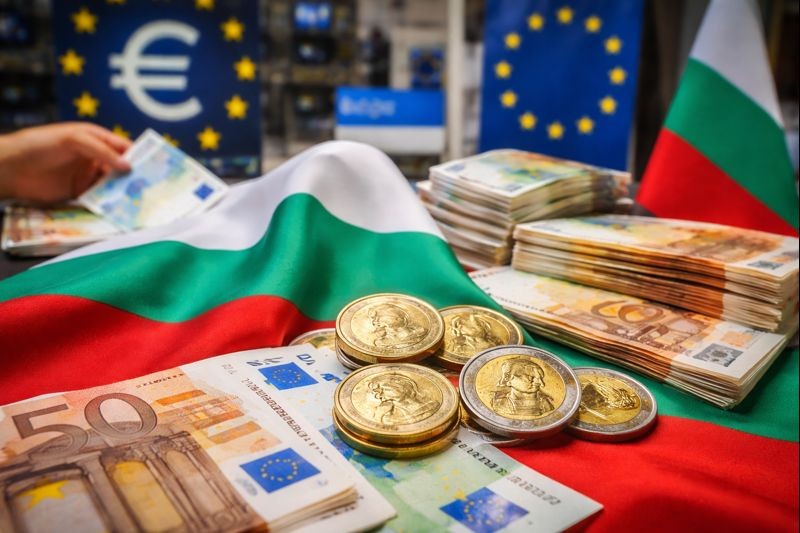
Bulgaria has adopted a fixed exchange rate of 1.95583 levs to one euro. New Bulgarian euro coins, featuring national symbols including the country’s patron saint John of Rila, entered circulation as the country officially became the eurozone’s newest member.
Support Our Journalism
We cannot do without you.. your contribution supports unbiased journalism
IBNS is not driven by any ism- not wokeism, not racism, not skewed secularism, not hyper right-wing or left liberal ideals, nor by any hardline religious beliefs or hyper nationalism. We want to serve you good old objective news, as they are. We do not judge or preach. We let people decide for themselves. We only try to present factual and well-sourced news.
Support objective journalism for a small contribution.


