'Religious donation isn't exclusive to Islam': Waqf Act hearing ends in Supreme Court, verdict reserved
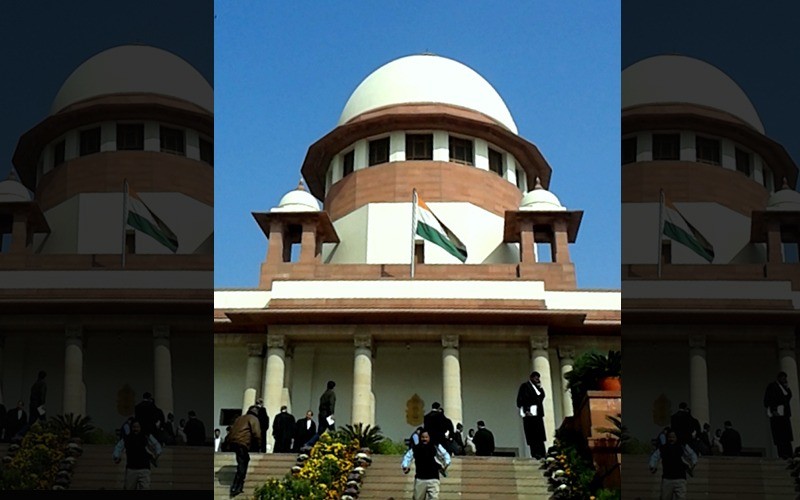
New Delhi/IBNS: The Supreme Court on Thursday heard the concluding arguments of petitioners regarding the Waqf (Amendment) Law, which they claimed violated fundamental rights.
Responding to the government's argument Wednesday - that while 'waqf' is an Islamic concept, it is not an essential part of the religion and, therefore, not a fundamental right, senior advocate Kapil Sibal told the court, "Waqf is a dedication to God... for afterlife. Unlike other religions, waqf is a charity to God..."
The apex court pointed out that 'religious donation' isn't exclusive to Islam; "... in Hinduism there is 'moksha'," Chief Justice BR Gavai said. "Charity is a fundamental concept of other religions too..."
Justice Augustine George Masih, the second judge on the bench, referred to a similar provision in Christianity and said, "We are all trying to get into 'heaven'."
At the end of the petitioners' arguments, the Chief Justice BR Gavai-led bench reserved its order on a plea for an interim halt of the contentious act.
The petitioners have sought to counter the government's argument about waqfs not being a vital religious practice by saying 'no outside authority has any right to say that they are not essential...'
The focus on what a waqf means is seen as critical as it informs much of the petitioners' other arguments - that the new law interferes with essential religious, in this case, Islamic, practices.
The government has argued that by not recognising waqf as a fundamental religious right, it allows for fair and transparent administration of the properties. The Centre deemed it to be important, as unlike Hinduism, waqfs "include many secular institutions like madrasas, orphanages..."
The Waqf Amendment Act, which was cleared in the Parliament and became a law last month, sparked nationwide protests as Muslim bodies claimed it was an attack on minorities and accused the Centre of eyeing Waqf land.
The government insists that the amendments have been undertaken to ensure the functioning of Waqf Boards is more efficient, inclusive, and transparent.
Support Our Journalism
We cannot do without you.. your contribution supports unbiased journalism
IBNS is not driven by any ism- not wokeism, not racism, not skewed secularism, not hyper right-wing or left liberal ideals, nor by any hardline religious beliefs or hyper nationalism. We want to serve you good old objective news, as they are. We do not judge or preach. We let people decide for themselves. We only try to present factual and well-sourced news.
Support objective journalism for a small contribution.