


On ‘Zero Discrimination Day’ UN urges tackling everyday biases; ask yourself ‘what if...?
New York, Mar 2 (JEN): To mark Zero Discrimination Day, the United Nations agency coordinating the global effort to tackle HIV/AIDS is challenging people to recognize where everyday discrimination takes place and take action to stop it by asking themselves simple questions: ‘What if the person you bought your vegetables from was living with HIV? Would you buy tomatoes from him?’
“We will never guarantee the right to health and end the AIDS epidemic if we exclude people,” said the Executive Director of the Joint United Nations Programme on HIV/AIDS (UNAIDS), Michel Sidibé. “However, huge structural barriers stand in the way of the health and well-being of millions.”
This year’s Zero Discrimination Day campaign invites people to ask themselves ‘what if’ questions to reflect upon their everyday actions, such as: What if the person you bought your vegetables from was living with HIV? Would you buy tomatoes from him? What if your neighbour had tuberculosis? Would you stop to chat?
UNAIDS says no one should ever be discriminated against because of their HIV status, age, sex, gender identity, sexual orientation, disability, race, ethnicity, language, geographical location or migrant status, or for any other reason.
Discrimination is often based on misinformation or fear of the unknown, the agency says, warning that allowing discrimination to continue is not only wrong, it is bad for communities, bad for the economy and bad for the future.
Ending discrimination requires action from everyone. Zero Discrimination Day is an opportunity to highlight how everyone can be a part of the transformation and take a stand towards a more fair and just society, UNAIDS says.
Zero Discrimination Day is annually observed on 1 March.
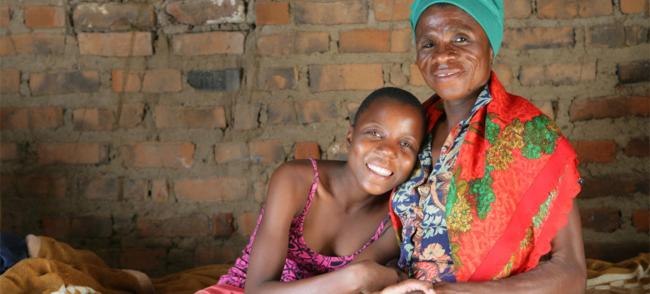
UNICEF/G. Pirozzi
Support Our Journalism
We cannot do without you.. your contribution supports unbiased journalism
IBNS is not driven by any ism- not wokeism, not racism, not skewed secularism, not hyper right-wing or left liberal ideals, nor by any hardline religious beliefs or hyper nationalism. We want to serve you good old objective news, as they are. We do not judge or preach. We let people decide for themselves. We only try to present factual and well-sourced news.
Support objective journalism for a small contribution.


