


 Bachelet
Bachelet calls for major re-think over impact of sanctions on human rights
New York: Unilateral and coercive sanctions imposed by governments can create severe and undue suffering for innocent people who bear no responsibility for alleged misconduct, the UN rights chief warned the Human Rights Council on Thursday.
While there is a place for asset bans, visa restrictions and other punitive measures against individuals who perpetrate severe human rights violations, the High Commissioner for Human Rights believes sanctions which target whole countries or sectors of economic activity, should be avoided.
“When sanctions target an entire country, or address entire economic sectors, it is the most vulnerable people in that country – those who are least protected – who are likely to be worst harmed”, said Michelle Bachelet.
Moreover, those targeted “can perversely benefit through gaming sanctions regimes and profiteering from the economic distortions and incentives introduced by them”, she added.
Rippling effect
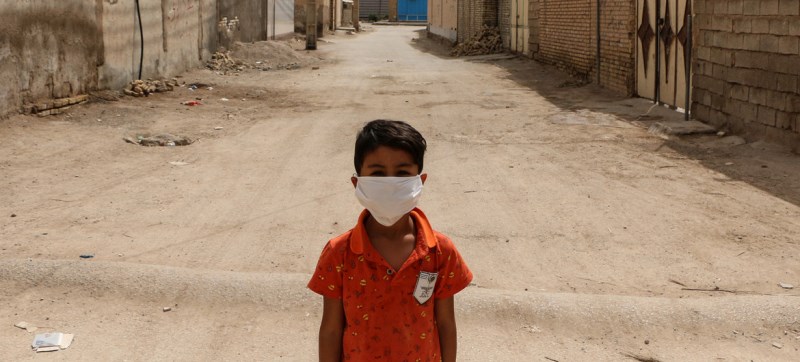
Out of an abundance of institutional caution, punitive restrictions on banks and financial institutions, including those based in third countries, routinely lead to over-compliance, which may make it difficult to import basic food items, health-care equipment and other forms of humanitarian aid – despite applicable exemptions – into sanctioned countries.
And, fearing penalties, third-country banks often refuse to transfer funds, require onerous certification for each transfer, or create additional costs and delays that hold up assistance and reduce effectiveness.
“It has long been clear that obstacles to the import of vital medical supplies in countries…create long-lasting harm to vulnerable communities”, said the UN rights chief.
“The people of these countries are in no way responsible for the policies being targeted by sanctions, and to varying degrees have already been living in a precarious situation for prolonged periods through no fault of their own”.
Penalizing health
In March 2020, less than two weeks after COVID-19 was declared a global pandemic, Ms. Bachelet called for sanctions that could affect the health sector to be eased or suspended.
“This was vital, to ensure that millions of people in countries being targeted by sanctions regimes could access essential medical equipment and treatment”, she said. “Continued sanctions risked causing more suffering and death and wider contagion around the world”.
Surging embargoes
For an expanding number of reasons, more and more countries are applying sanctions to an increasing range of targets.
But human rights cannot be adequately protected if the bans and their enforcement measures violate human rights, said Ms. Bachelet.
In considering the negative impacts of sanctions, the Committee on Economic, Social and Cultural Rights had concluded that “human rights should be taken fully into account when designing sanctions regimes, that effective monitoring should be undertaken throughout the period that sanctions are in force, and that the external entity imposing sanctions has an obligation to take steps”.
To avoid adverse impacts, Ms. Bachelet called on sanctioning countries to “reassess and critically re-evaluate” their use of unilateral coercive measures.
She also called on the authorities of countries subjected to sanctions to “provide transparent information, accept offers of necessary humanitarian assistance, and prioritize the needs and rights of vulnerable people”.
Support Our Journalism
We cannot do without you.. your contribution supports unbiased journalism
IBNS is not driven by any ism- not wokeism, not racism, not skewed secularism, not hyper right-wing or left liberal ideals, nor by any hardline religious beliefs or hyper nationalism. We want to serve you good old objective news, as they are. We do not judge or preach. We let people decide for themselves. We only try to present factual and well-sourced news.
Support objective journalism for a small contribution.


