GST 2.0: GoM approves removal of 12%, 18% slabs, price drop likely for most goods
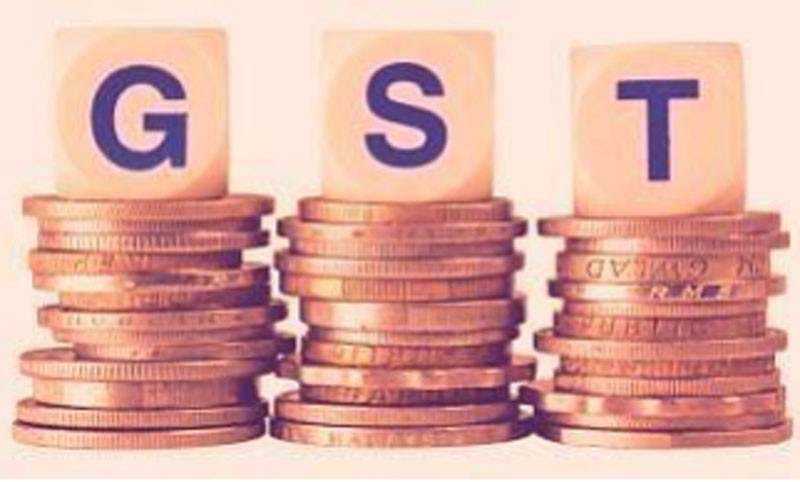
New Delhi: India’s long-awaited overhaul of the Goods and Services Tax (GST) has taken a major step forward, with the Group of Ministers (GoM) on rate rationalisation agreeing to cut the current four-slab system down to two.
At a key meeting on Thursday, the panel of state ministers endorsed the Centre’s proposal to streamline GST into two primary slabs—5% and 18%, according to an India Today report.
The new structure, dubbed GST 2.0, is designed to simplify compliance, reduce burden on households and businesses, and create a more transparent tax regime.
Currently, GST is levied at 5%, 12%, 18% and 28%. Under the proposed framework, the 12% and 28% slabs will be scrapped. Most goods and services will shift into either the 5% or 18% brackets.
A higher 40% levy will continue on “sin goods” such as tobacco and certain luxury items, with luxury cars also proposed under this category.
Nearly 99% of products taxed at 12% are set to move down to 5%, while about 90% of those under the 28% rate will move to 18%.
The meeting was chaired by Bihar Deputy Chief Minister Samrat Choudhary, and attended by Uttar Pradesh Finance Minister Suresh Kumar Khanna, Rajasthan Health Minister Gajendra Singh, West Bengal Finance Minister Chandrima Bhattacharya, Karnataka Revenue Minister Krishna Byre Gowda, and Kerala Finance Minister K N Balagopal.
Savings for consumers
The Centre has said the new system will benefit farmers, households, and the middle class by lowering GST on everyday essentials.
Medicines, processed foods, footwear, clothing, and household items are expected to fall into the 5% slab, while large appliances, televisions, and other durables will be taxed at 18% instead of 28%, potentially cutting costs for families.
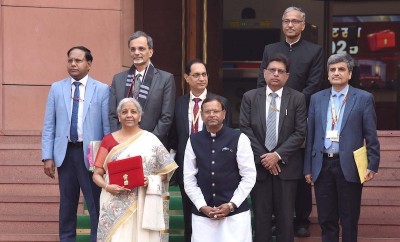
Finance Minister Nirmala Sitharaman earlier told the panel, “The rate rationalisation will provide greater relief to the common man, farmers, the middle class and MSMEs, while ensuring a simplified, transparent and growth-oriented tax regime.”
GST exemption for insurance under review
The GoM also considered exempting individual health and life insurance from GST.
If approved, policyholders would no longer pay GST on premiums, though this could reduce government revenues by about ₹9,700 crore annually.
While most states supported the plan, they stressed the need for safeguards to ensure insurers pass on the benefit to customers.
The GoM’s recommendations will now be placed before the GST Council, chaired by the Union Finance Minister and comprising representatives from all states.
The Council will review the proposals in its upcoming meeting and take a final decision.
If cleared, the reform would be one of the most significant changes to GST since its launch in 2017, promising simpler compliance for businesses and lower tax outgo for consumers.
Support Our Journalism
We cannot do without you.. your contribution supports unbiased journalism
IBNS is not driven by any ism- not wokeism, not racism, not skewed secularism, not hyper right-wing or left liberal ideals, nor by any hardline religious beliefs or hyper nationalism. We want to serve you good old objective news, as they are. We do not judge or preach. We let people decide for themselves. We only try to present factual and well-sourced news.
Support objective journalism for a small contribution.